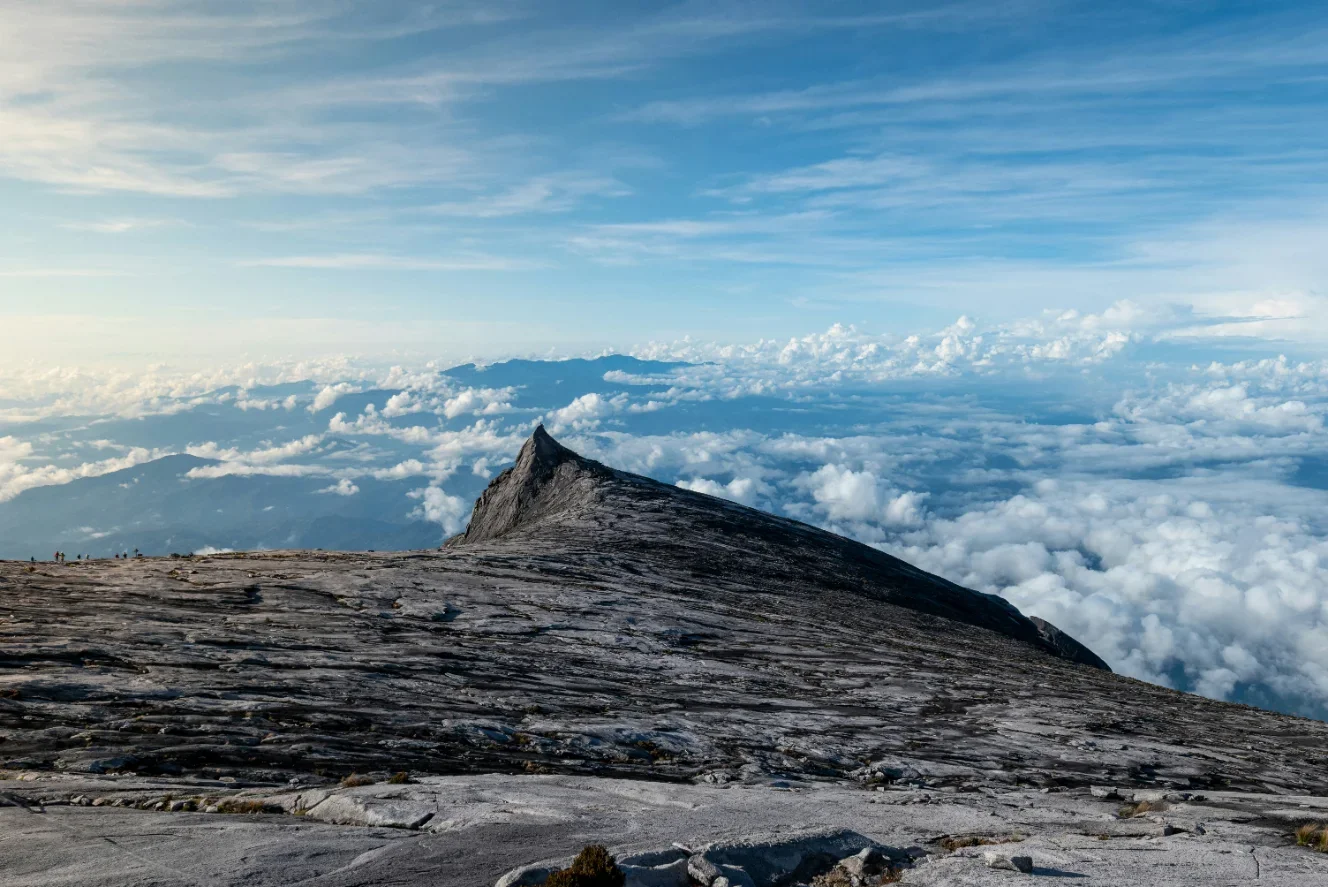
Mount Kinabalu National Park
Malaysia’s highest peak, 4,095 m, climbed overnight from Kinabalu Park and summited at sunrise. No technical skill needed, permits and a guide are.
THE POSTING, IN FULL
Most people who relocate here are based in Greater Kota Kinabalu: a small coastal city with an international airport, international and private schools, public and private hospitals, and housing costs well below Kuala Lumpur or Singapore. English carries the working day and the school run alike.
What follows is the rest of it, the weekends, the food, the communities and the calendar your staff and their families would be moving into.
Mangrove coast, ancient lowland forest, a 4,095-metre granite summit and the richest reefs on Earth, all inside one state, most of it within a few hours of the capital.
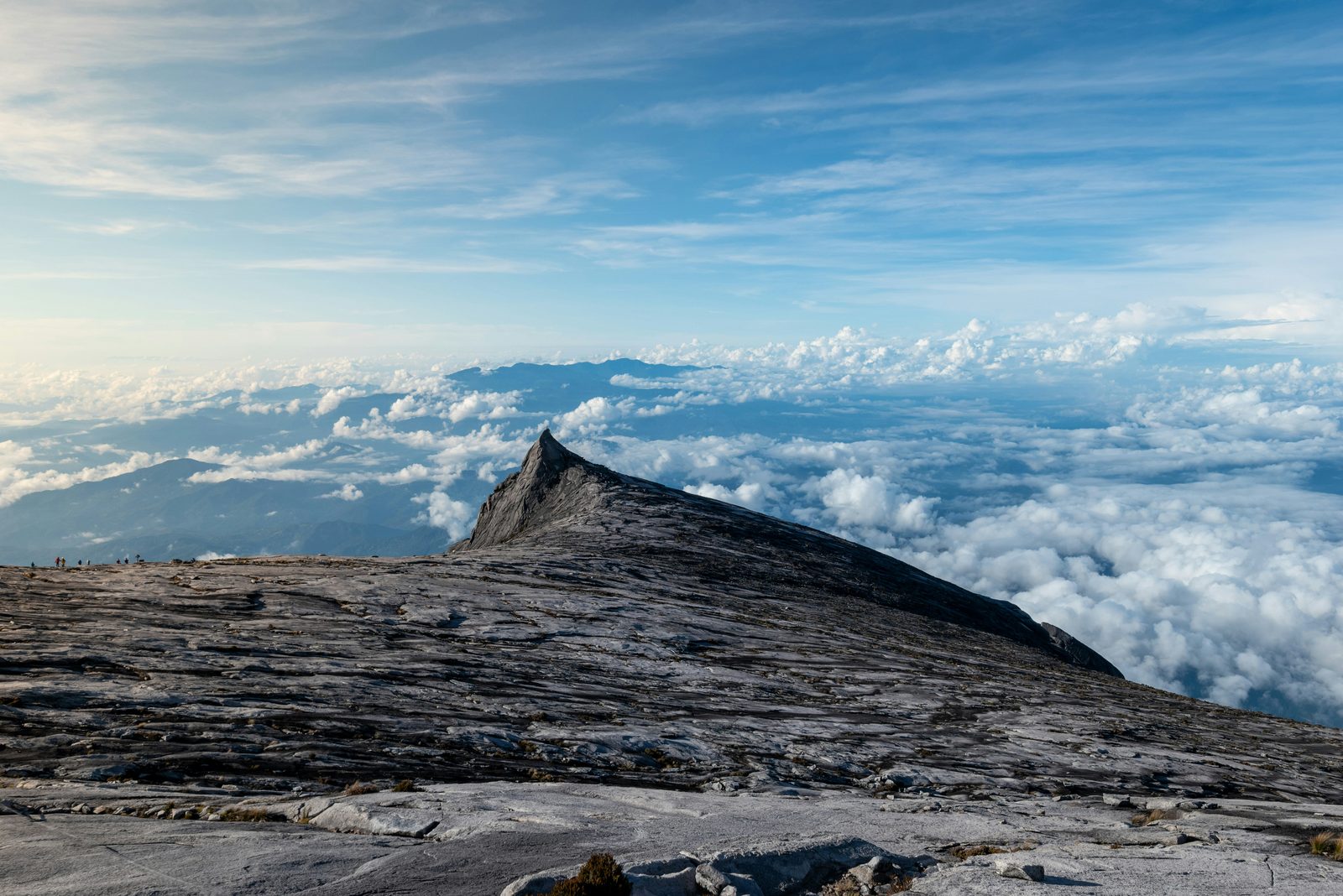
Mount Kinabalu National Park
Malaysia’s highest peak, 4,095 m, climbed overnight from Kinabalu Park and summited at sunrise. No technical skill needed, permits and a guide are.
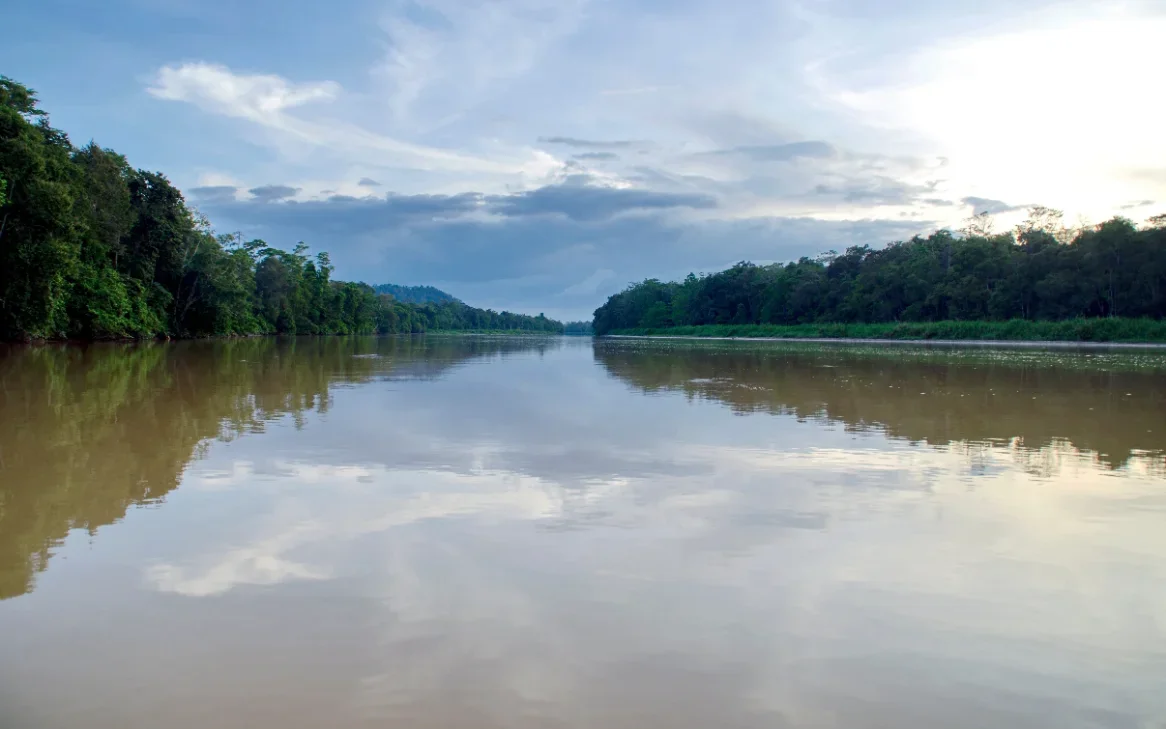
Kinabatangan River
Orangutans, pygmy elephants and proboscis monkeys at dusk.
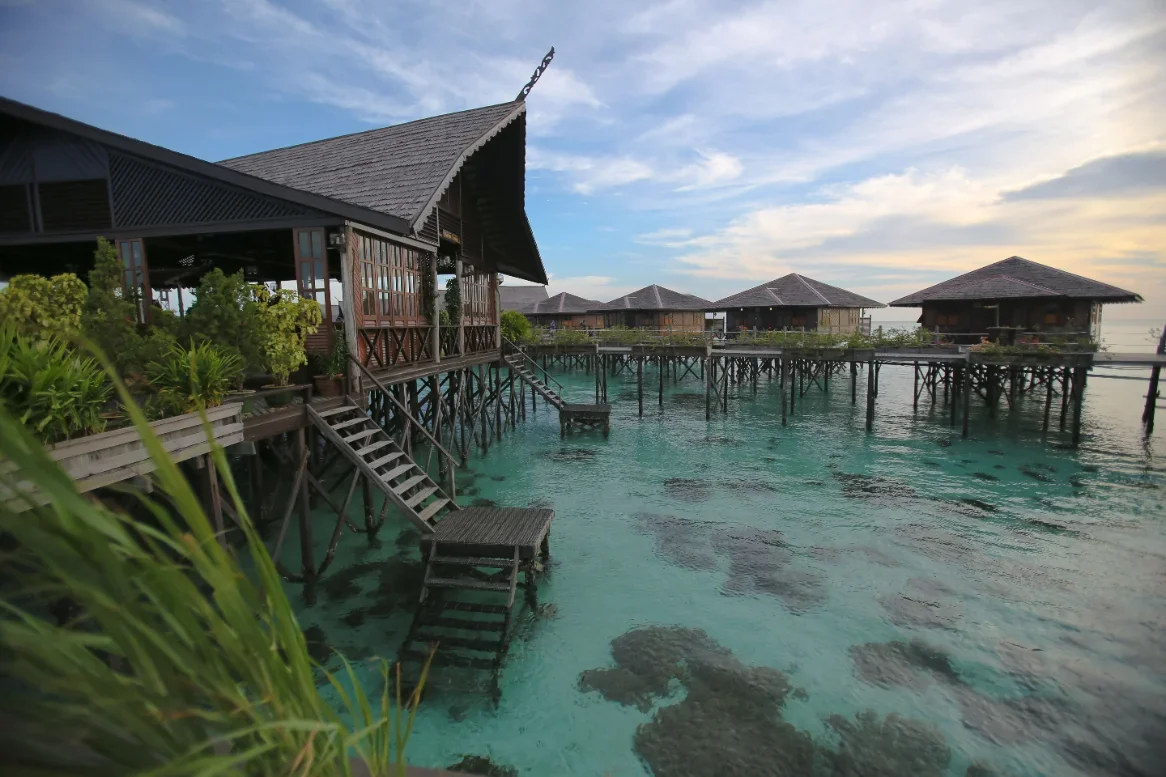
Sipadan Island Park
Turtles, barracuda tornadoes and a 600 m wall.
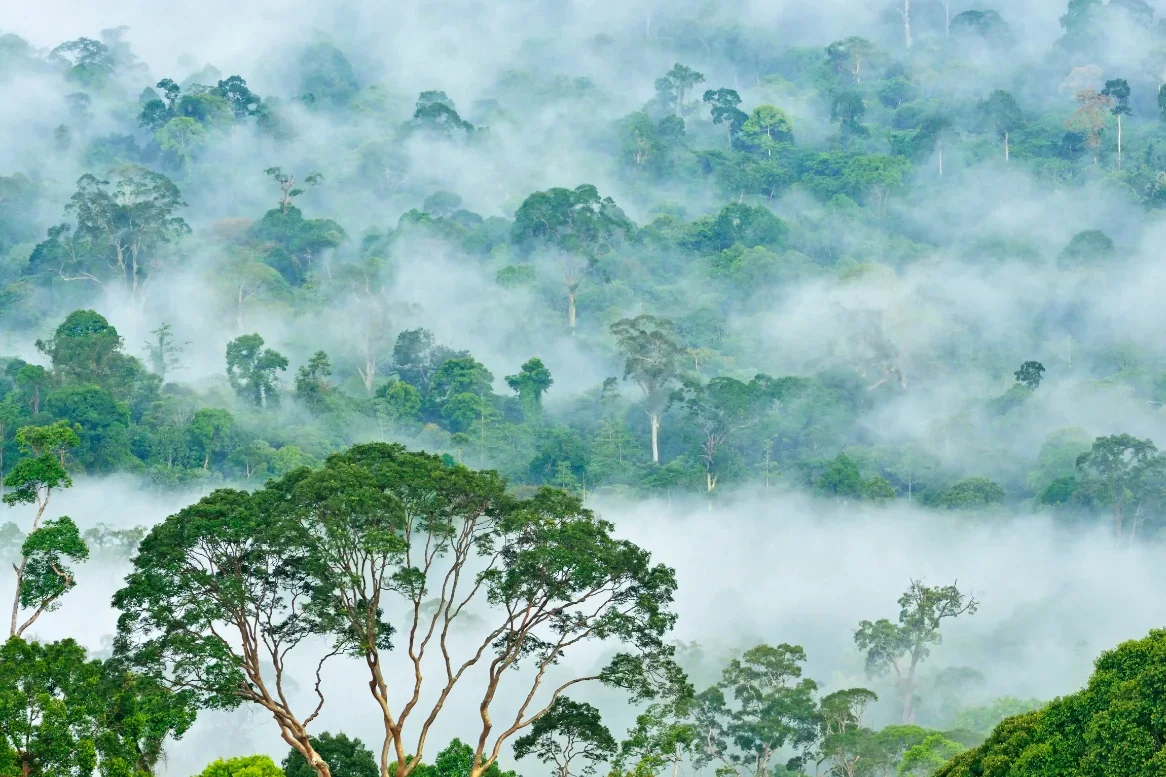
Danum Valley
Canopy walkways in the planet’s oldest rainforest.
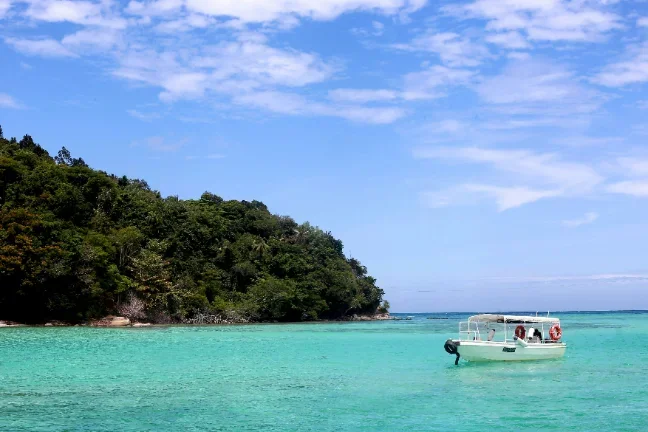
Tunku Abdul Rahman Marine Park
Five islands, sandbars and lunch, 20 minutes out.
Sabah is an amalgamation of different peoples, cultures and regions, and so is its food-scene. For centuries, the indigenous community have utilised the local flora & fauna to create amazing dishes you will not find anywhere else in Malaysia. Following the 20th century, chinese immigrants brought their own touch, fusing traditional culinary techniques with local ingredients to create iconic Sabah staples.
THE SEAFRONT MARKET, KOTA KINABALU
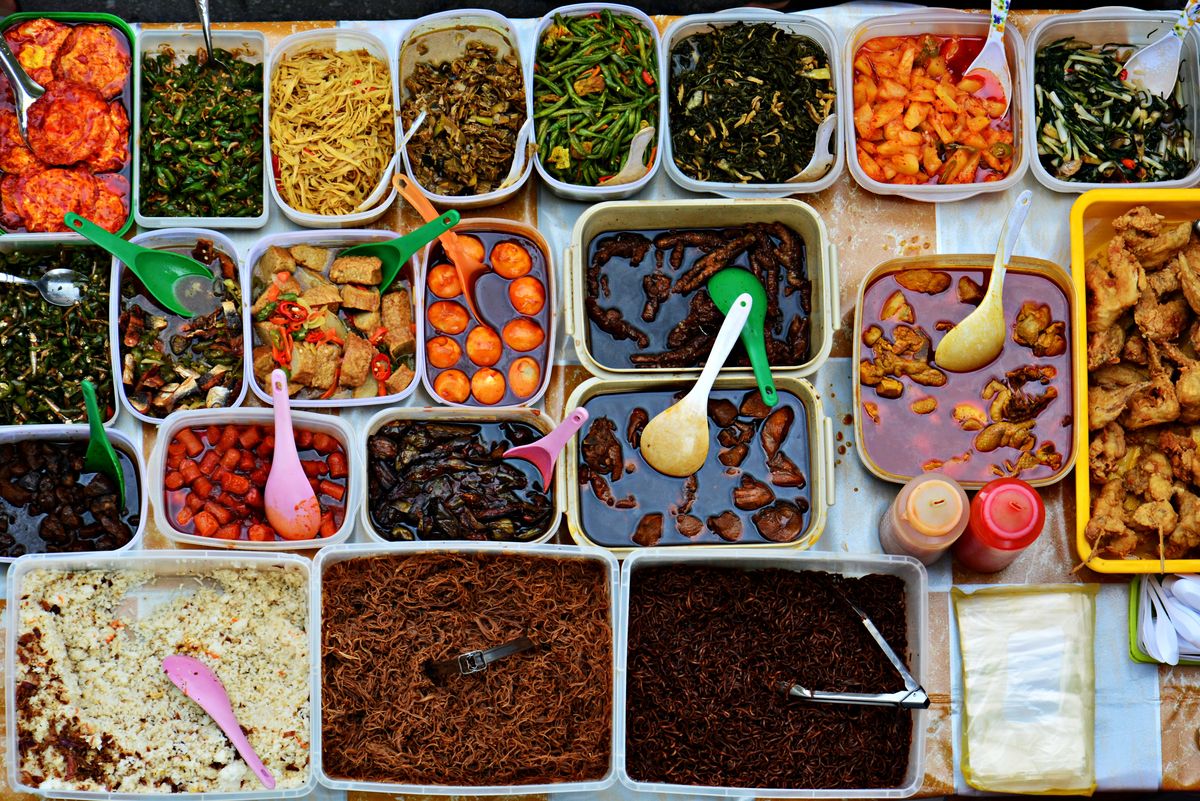
Landed in the morning, grilled where it comes ashore.
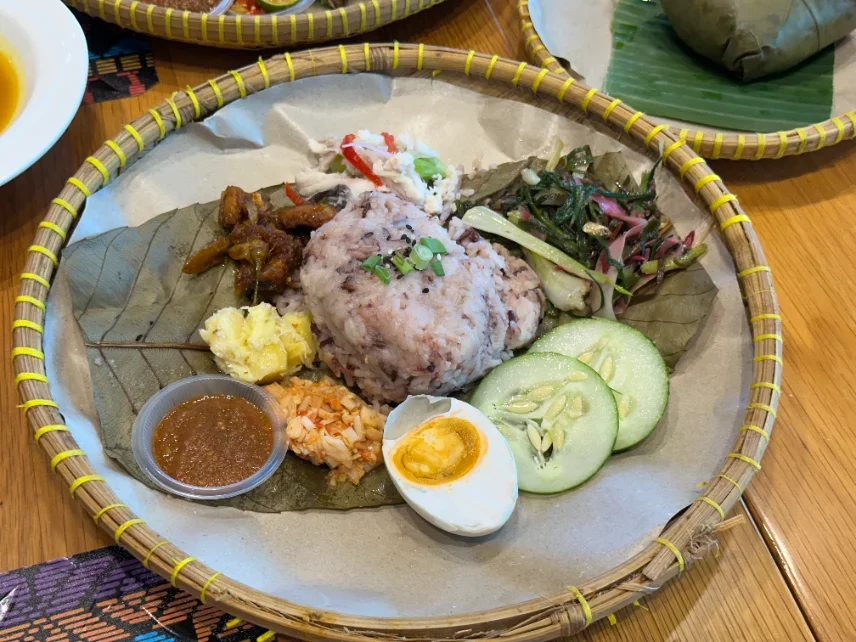
Warm rice tightly wrapped in aromatic leaves, served with Tuhau, Bambangan, fried fish and local greens.
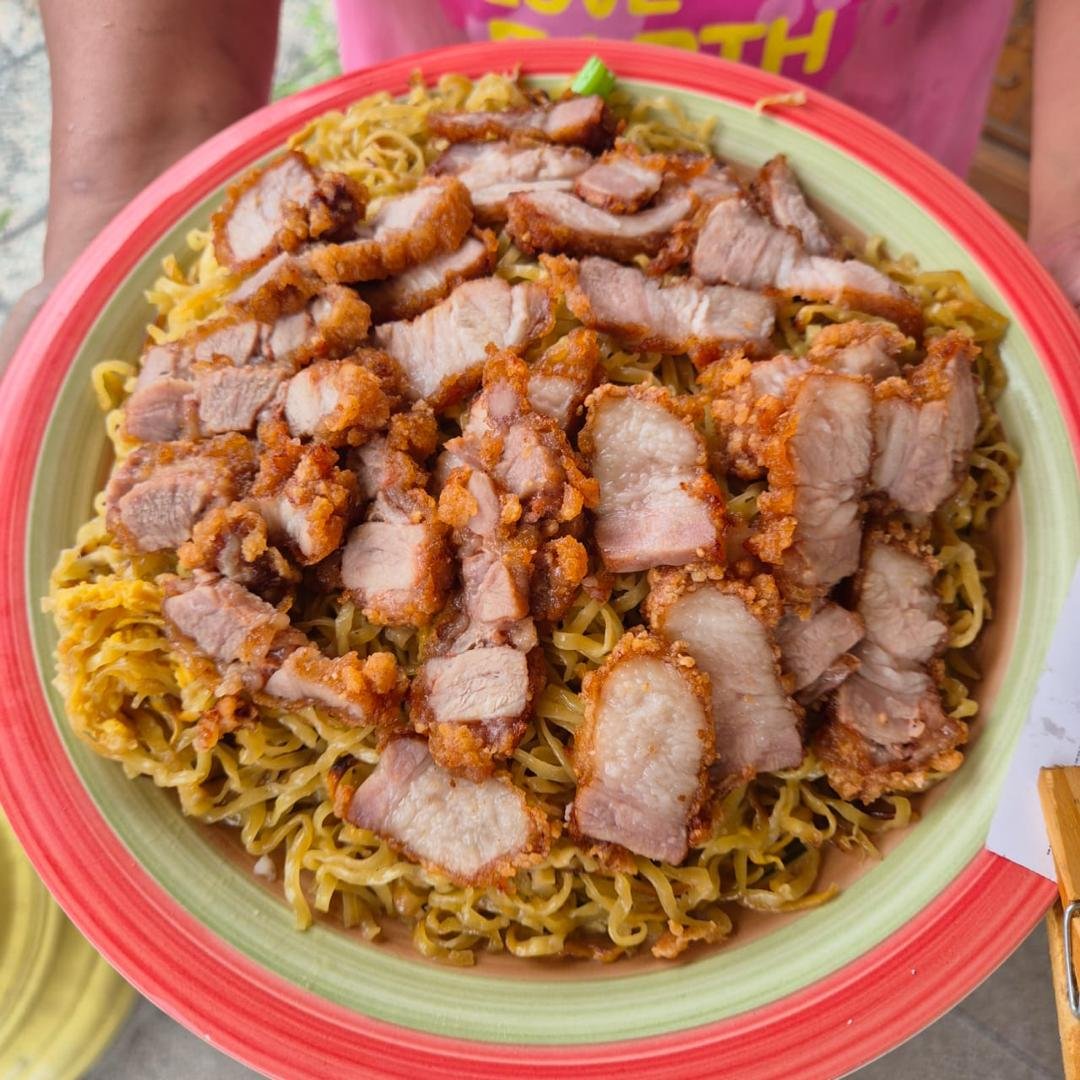
Hand-made egg noodles fried until springy, topped with char siu/chicken, rolled omelette and vegetables.
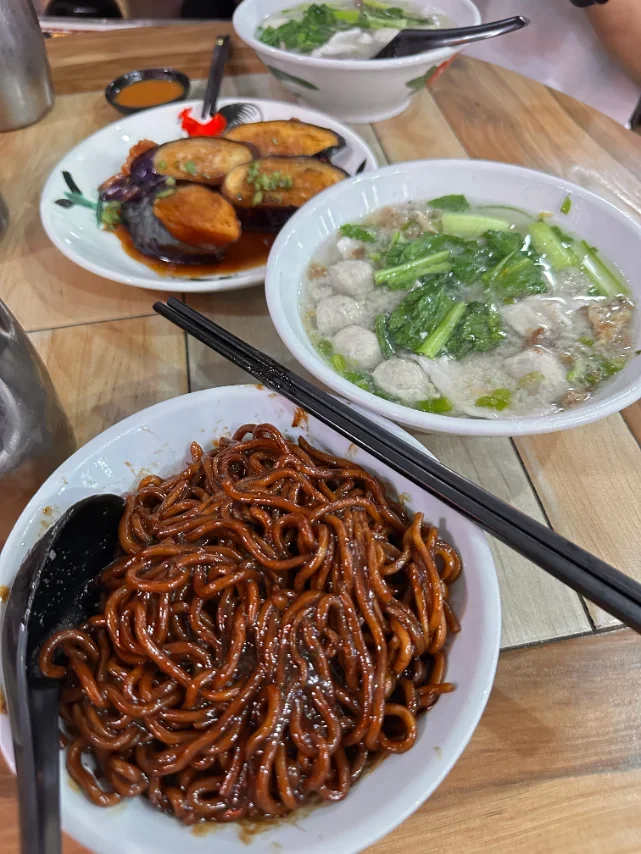
Sabah’s iconic pork noodle dish, thin pork slices and broth, noodles dry-tossed in lard and dark soy sauce.
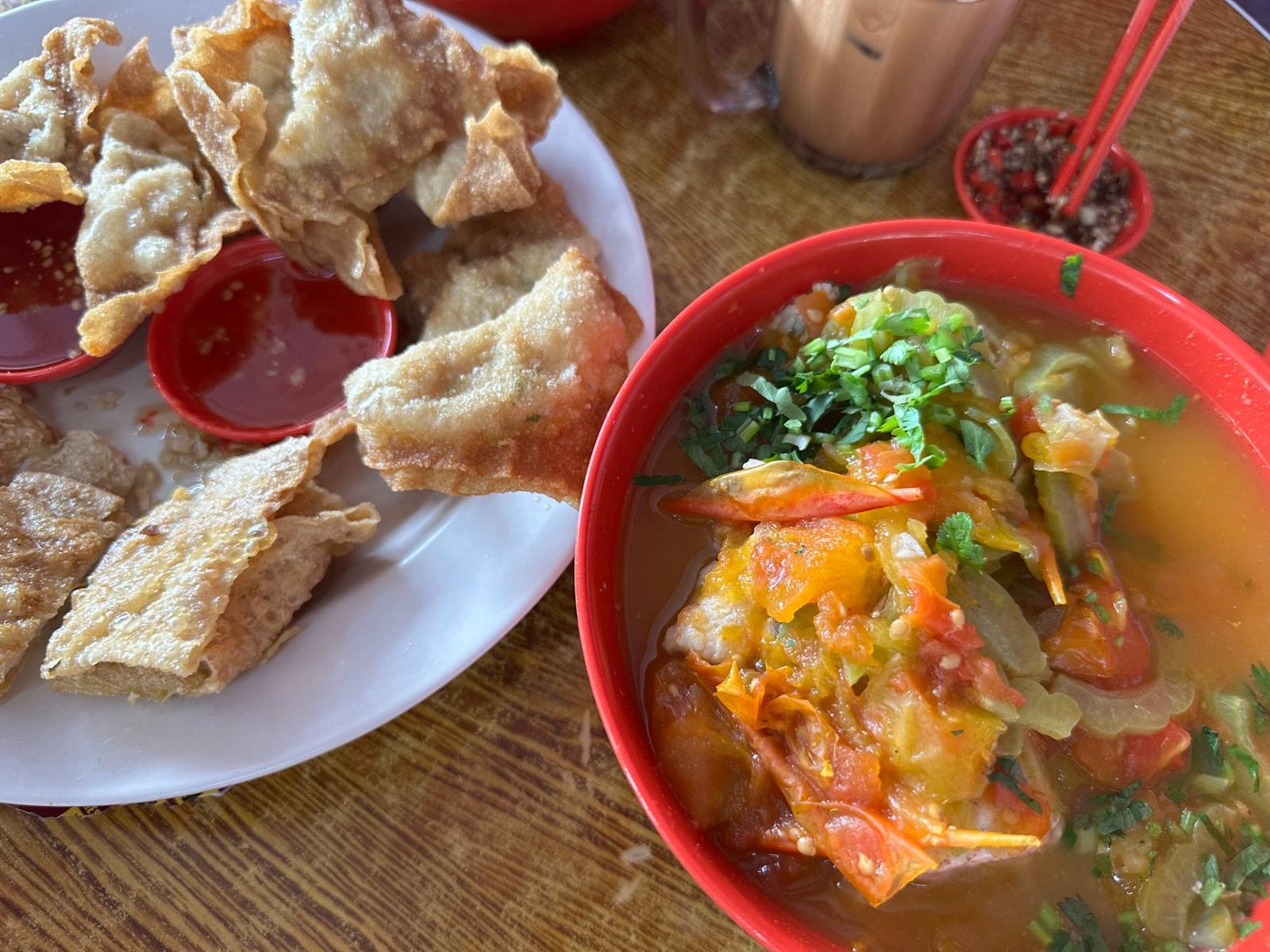
Fresh thick fish slices cooked in a clear, tangy tomato broth, eaten with vermicelli or tossed noodles.
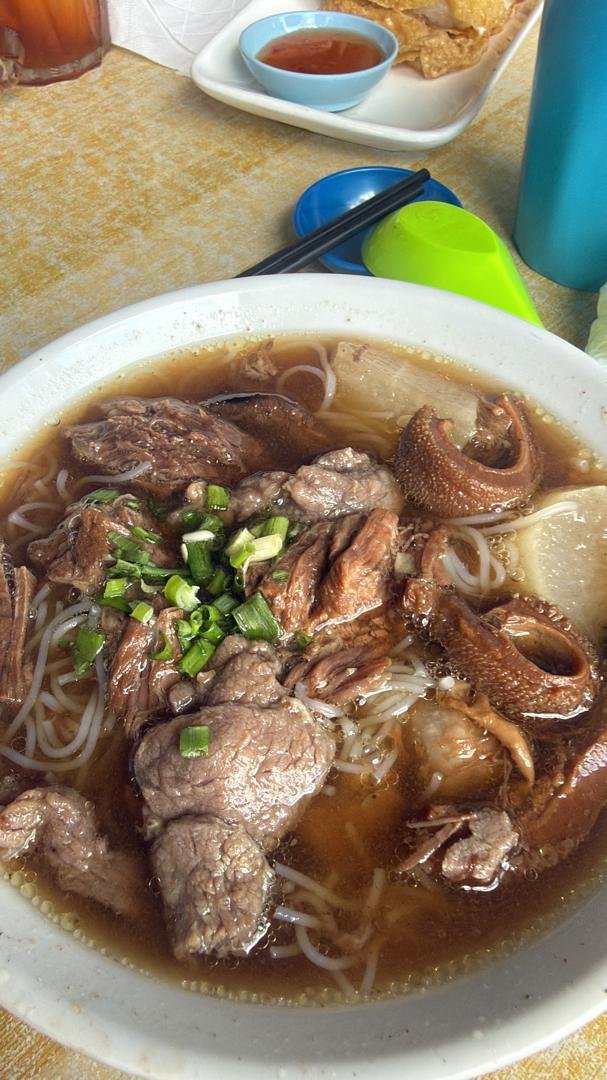
Translating to “Mixed Beef”, this classic Hakka dish is a rich, aromatic broth filled with beef cuts and tender offal, served with noodles.
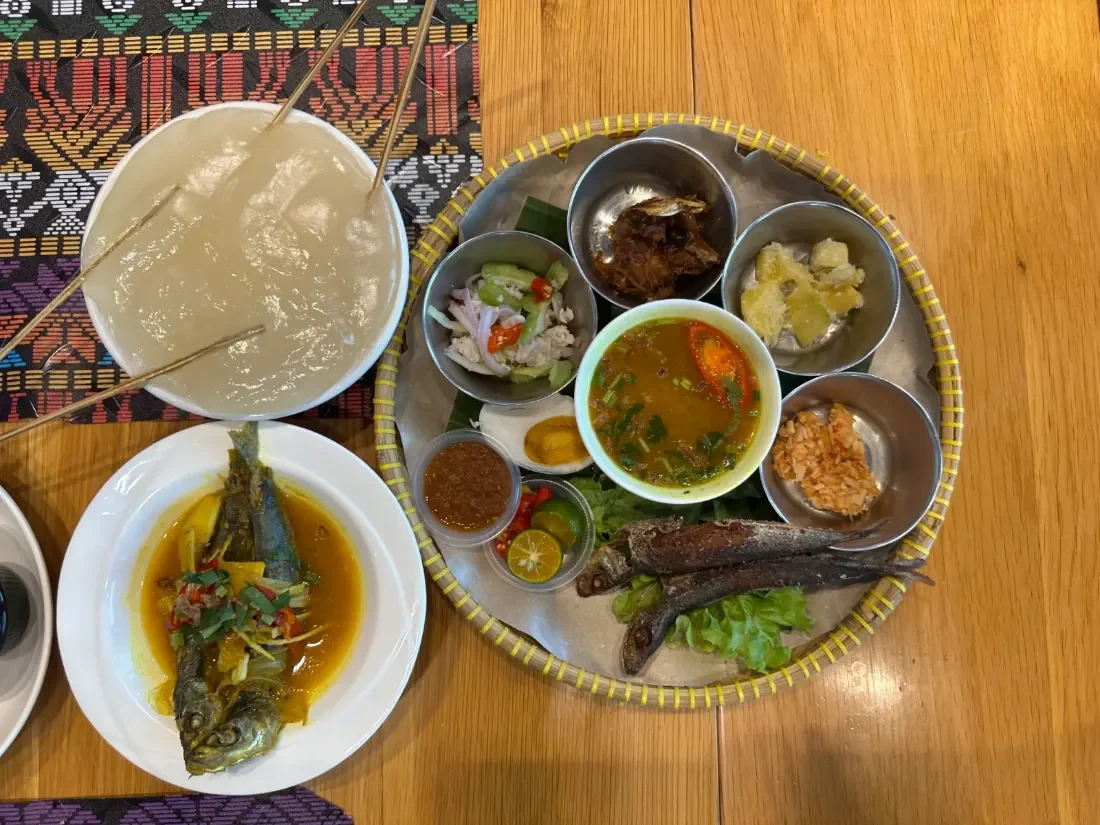
Starchy and gooey sago starch, twirled around a bamboo stick and dipped into flavorful, tangy, spicy sauces.
Kadazan-Dusun, Bajau and Murut communities live alongside dozens of other indigenous groups, and Malay, Chinese and long-settled expatriate communities besides. What follows is the shape of it in numbers, and the villages where you can still see it firsthand.
FACES OF SABAH
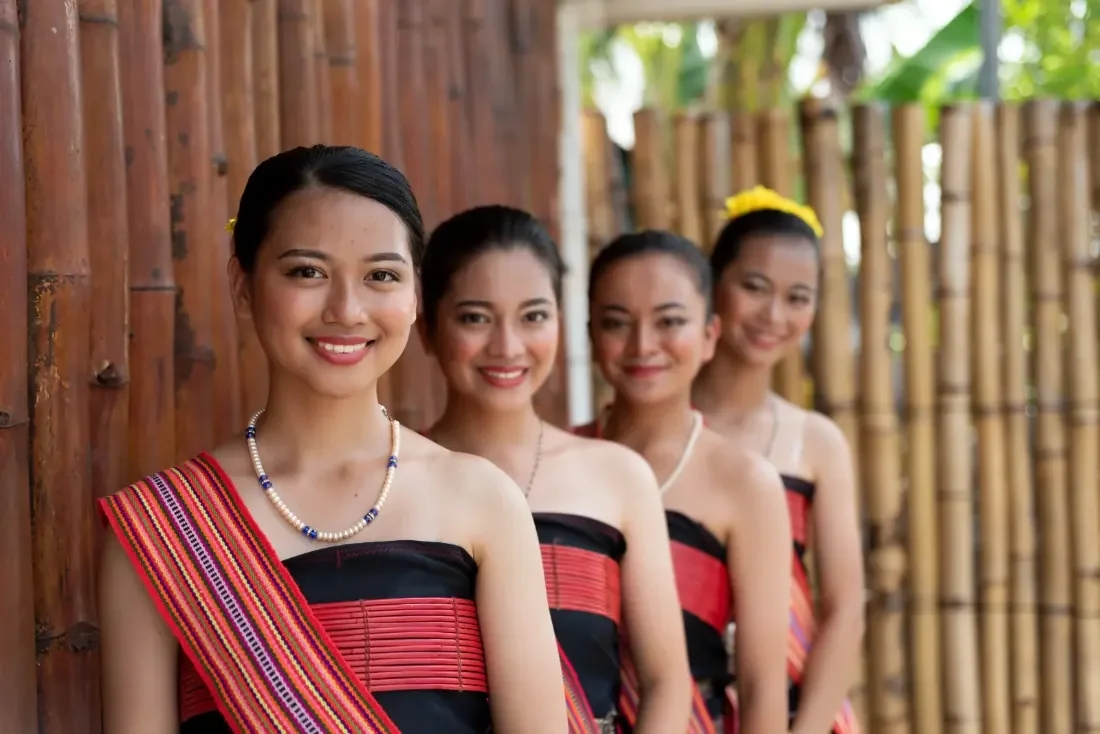
Thirty-two recognised peoples, no single majority.
ETHNICITY
32 recognised ethnic groups, with Kadazan-Dusun-Murut being the largest.
RELIGION
Two main faiths, with Islam being the official religion.
LANGUAGES SPOKEN
The official language of Sabah is Bahasa Malaysia, but English is widely used.
Bahasa Malaysia
Dusunic, Murutic, Paitanic and Sama-Bajau languages
English
Mandarin & Chinese dialects
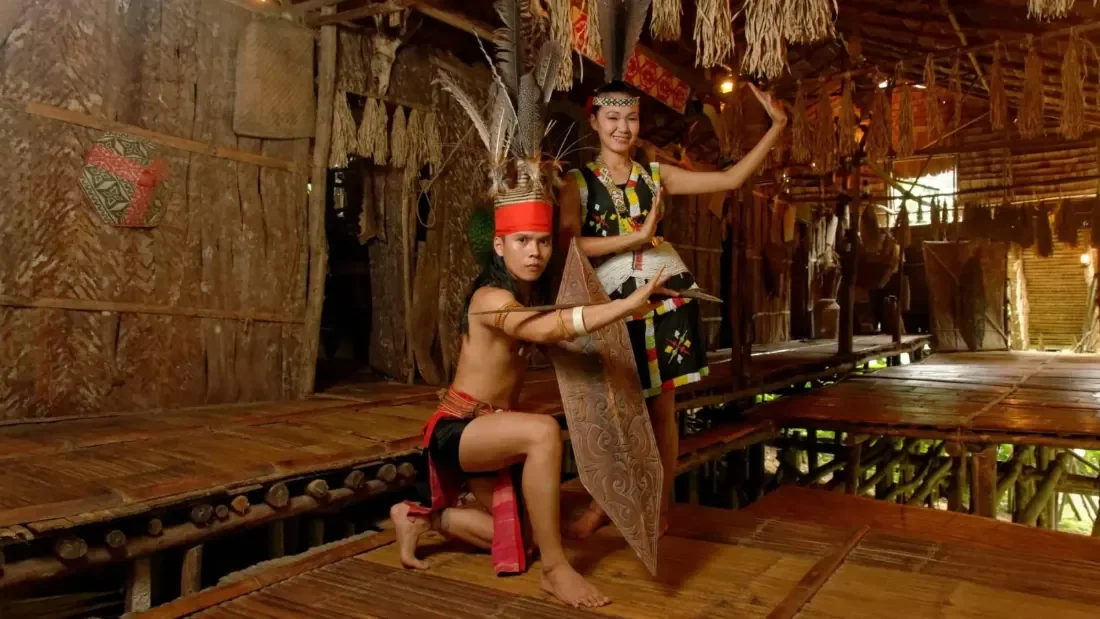
Mari Mari Cultural Village
A living museum in the hills above the city, five traditional houses, built and run by descendants of the Dusun, Bajau, Murut, Rungus and Lundayeh peoples.
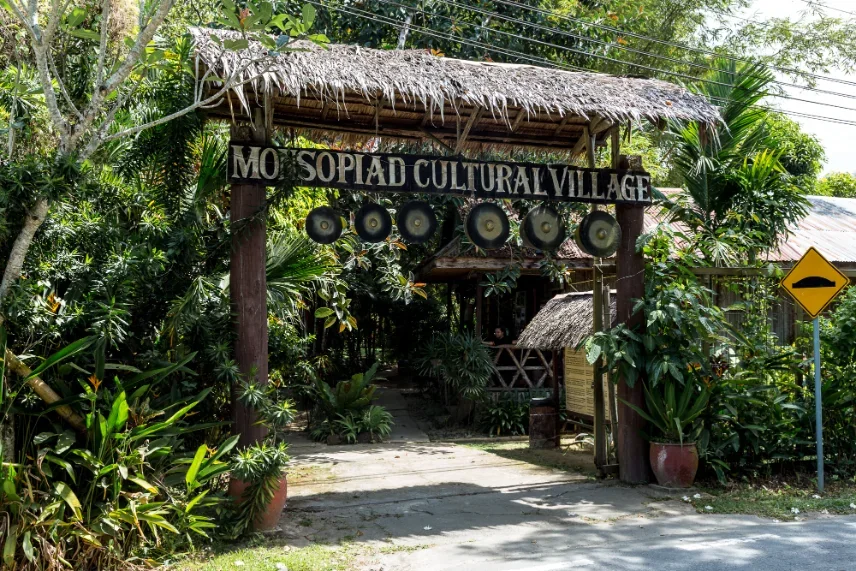
Monsopiad Cultural Village
A Kadazan heritage house named for a 19th-century warrior, with a sobering House of Skulls and a closer look at Kadazan custom and belief.
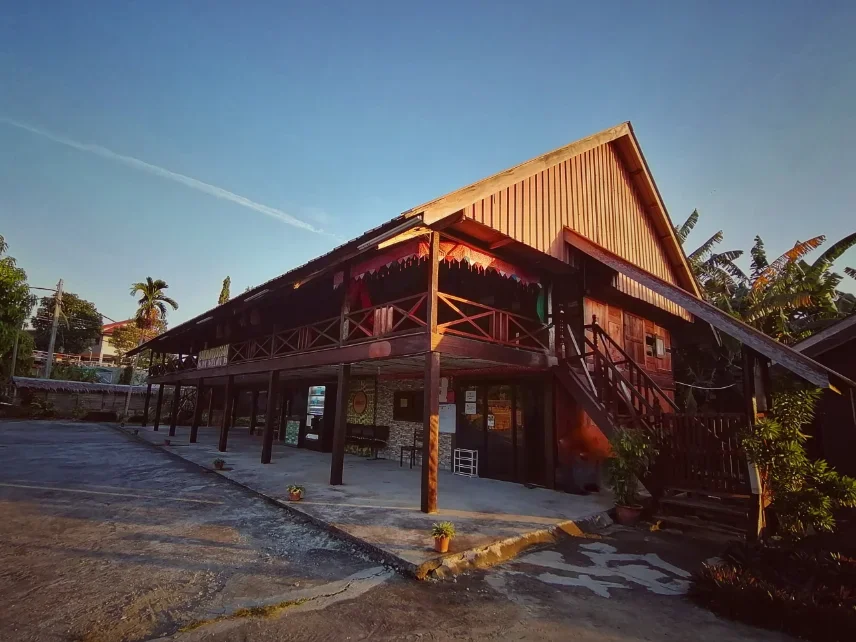
Linangkit Cultural Village
A riverside Lotud village in Tuaran, named for the intricate linangkit needlework its women still make, weaving, gong-making and a home-cooked lunch.
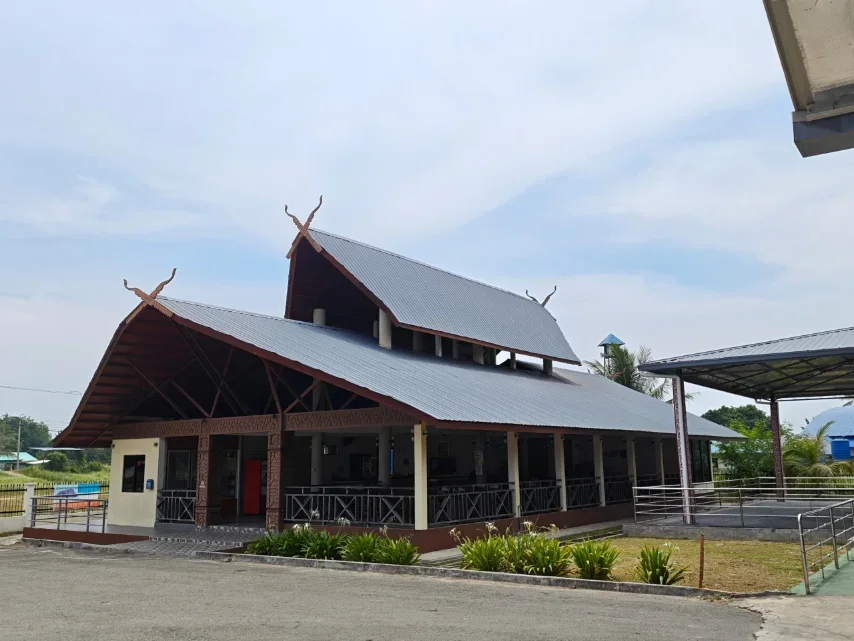
Bajau Sama Cultural Centre
The coastal Bajau heartland, stilt villages, the Sunday tamu market and the horsemen the state is known for, in full ceremonial dress.
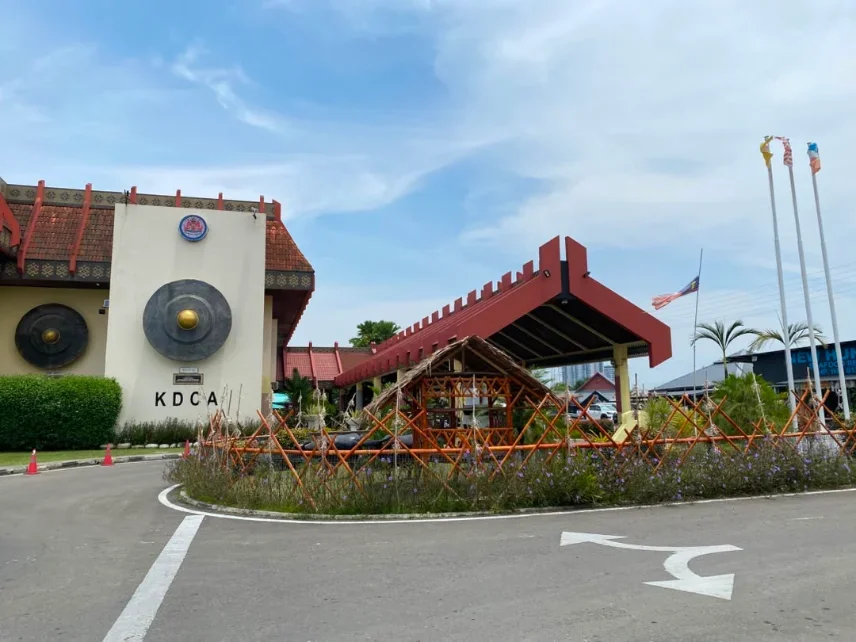
KDCA Hongkod Koisaan
The Kadazandusun Cultural Association grounds in Penampang, ethnic house pavilions year-round, and the centre of Kaamatan every May.
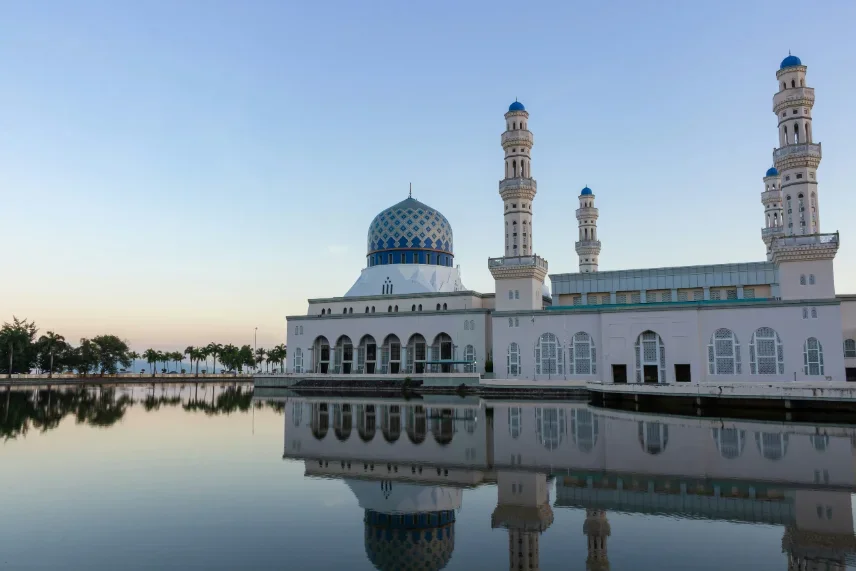
Kota Kinabalu City Mosque
The “floating” city mosque, set in a man-made lagoon at Likas, open to visitors outside prayer times, and the city’s most photographed building.
Sabah keeps an open-house tradition: whoever is celebrating opens the door and everyone else comes to eat. Between them, these eight cover most of the state, and most of the public holidays your staff will plan their year around.
THE YEAR, MONTH BY MONTH
Hari Raya follows the lunar calendar, dates here are shown for 2027.
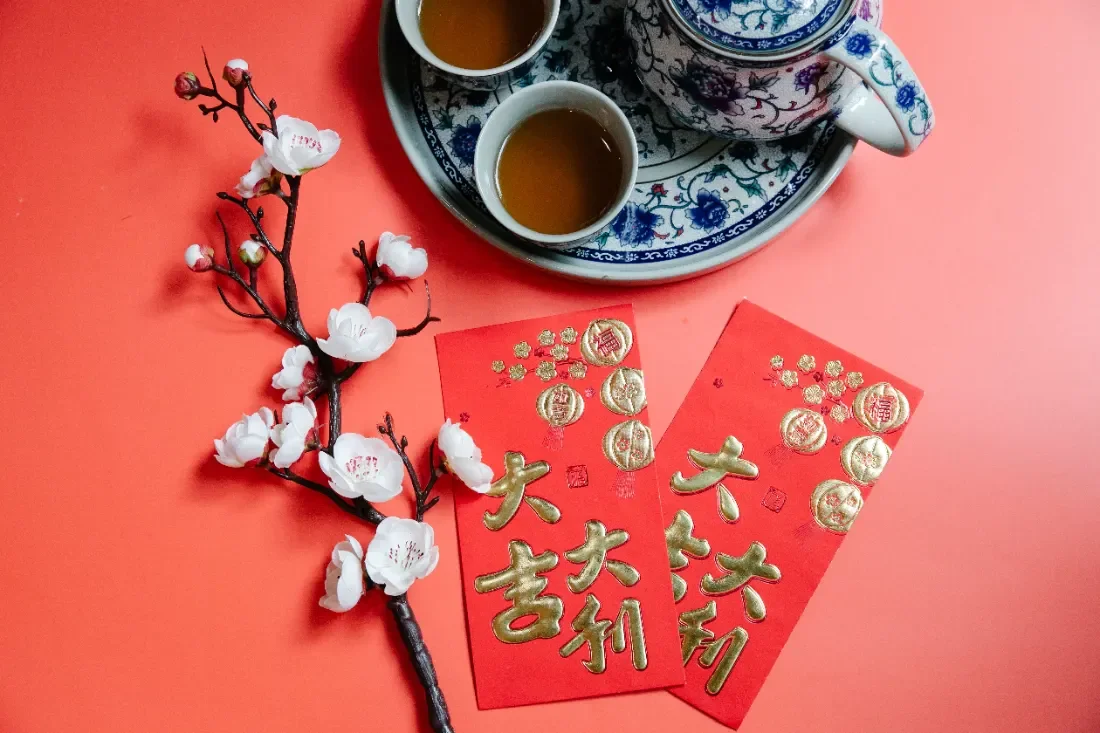
Chinese New Year
Gaya Street closes for lion dances and night markets; Chinese-Sabahan families keep open house through the fifteen days.
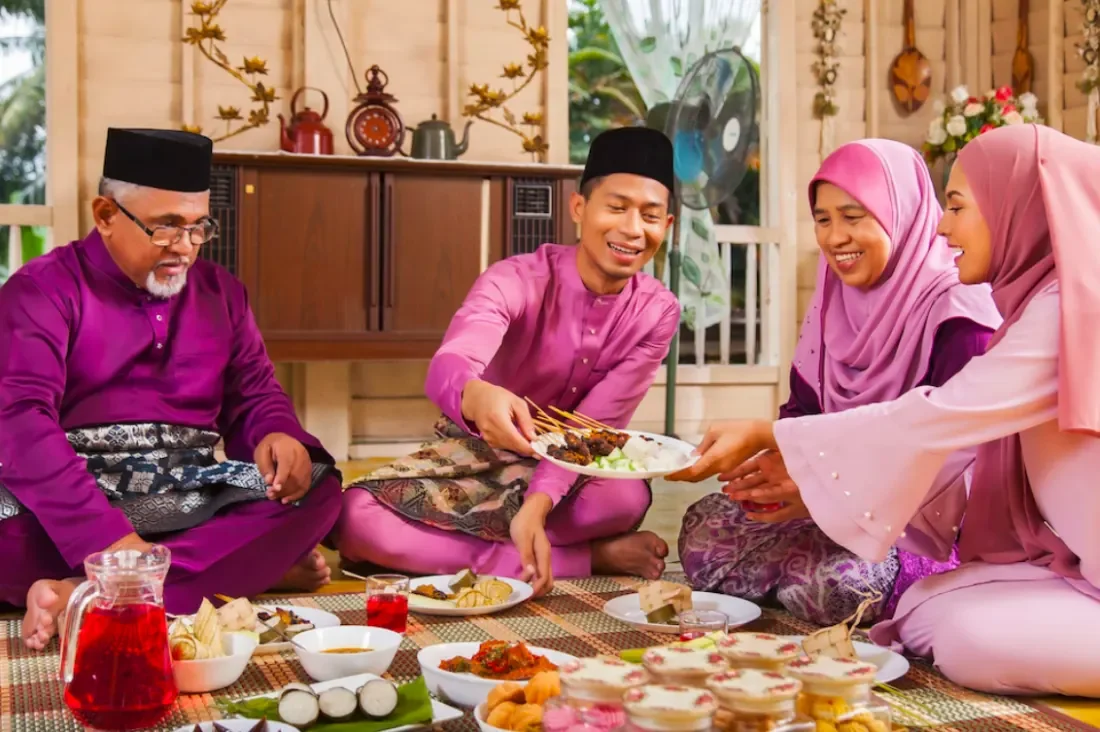
Hari Raya Aidilfitri
Ramadan bazaars give way to a fortnight of open houses, the most widely visited-across-communities holiday of the year. It moves earlier each year.
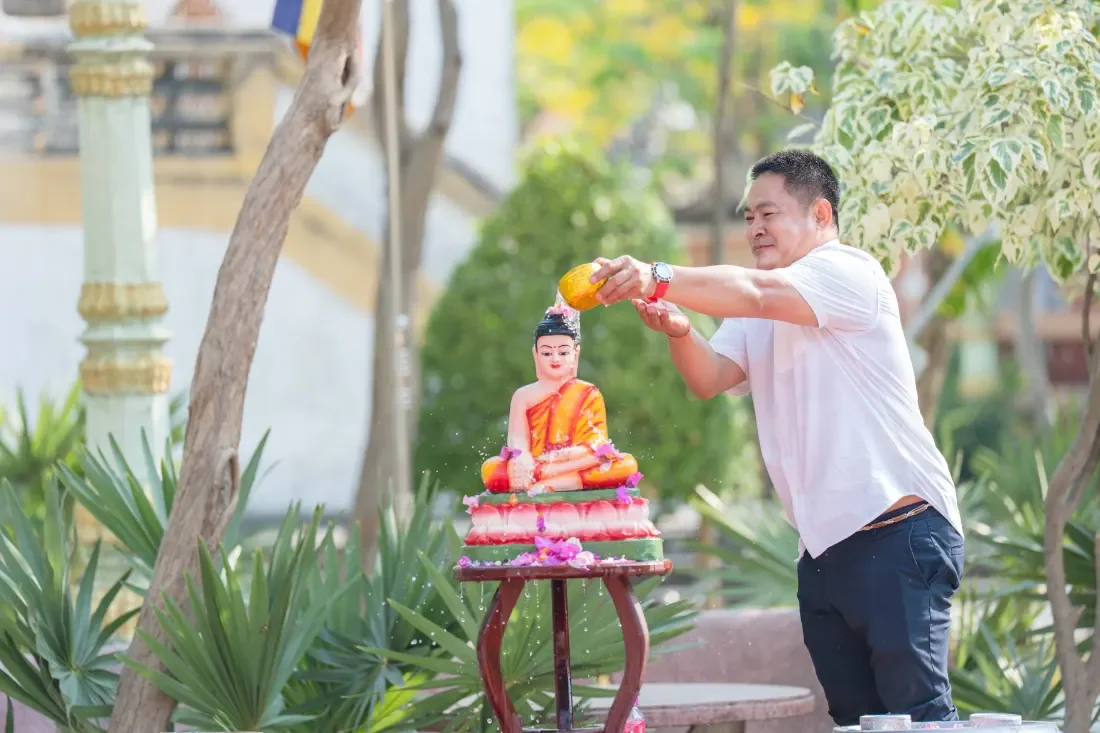
Wesak Day
The Buddhist community marks the Buddha’s birth, enlightenment and passing with temple visits, lantern processions and alms-giving.
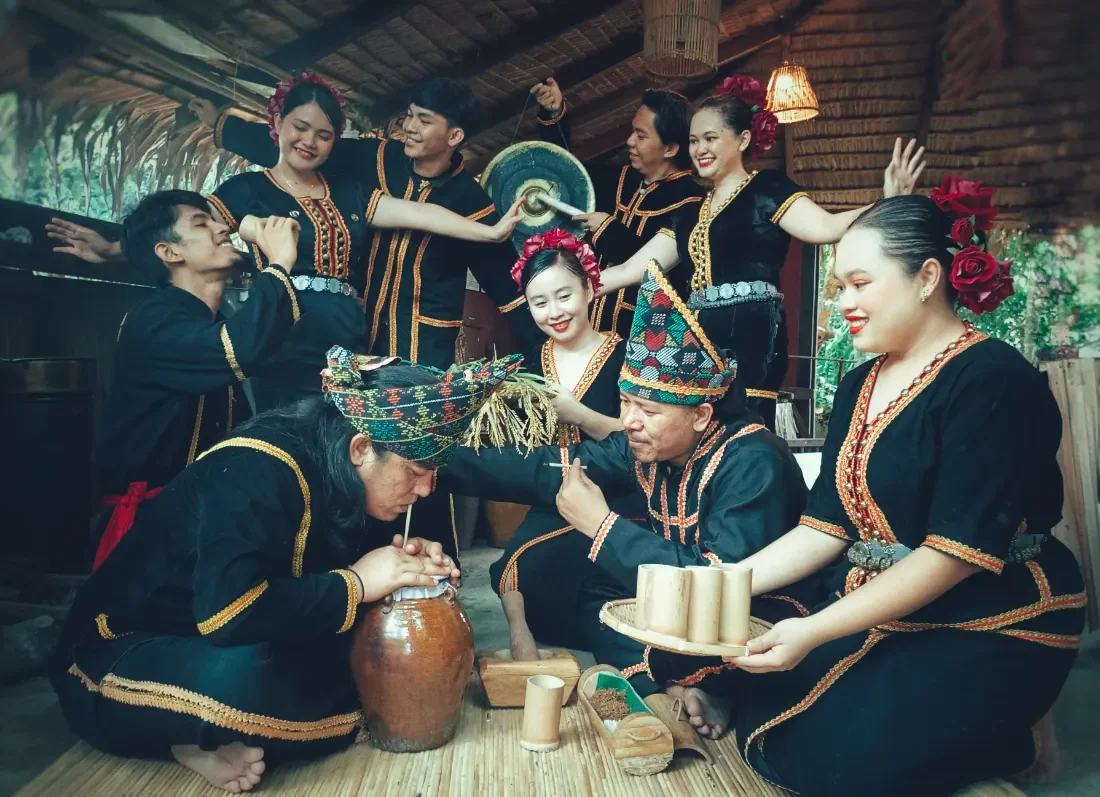
Kaamatan
The Kadazan-Dusun harvest festival, a month of thanksgiving, gong music and sumazau, closing with two public holidays at KDCA.
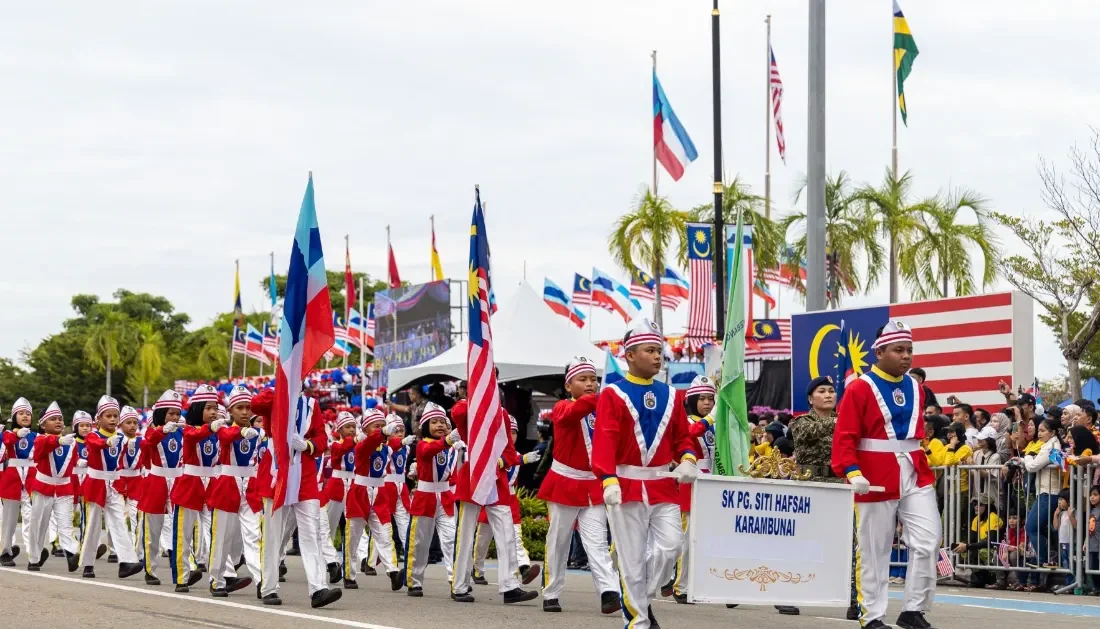
Sabah Day
Marks North Borneo’s self-government in 1963, sixteen days ahead of Malaysia’s formation, flag-raisings and state ceremony around Kota Kinabalu.
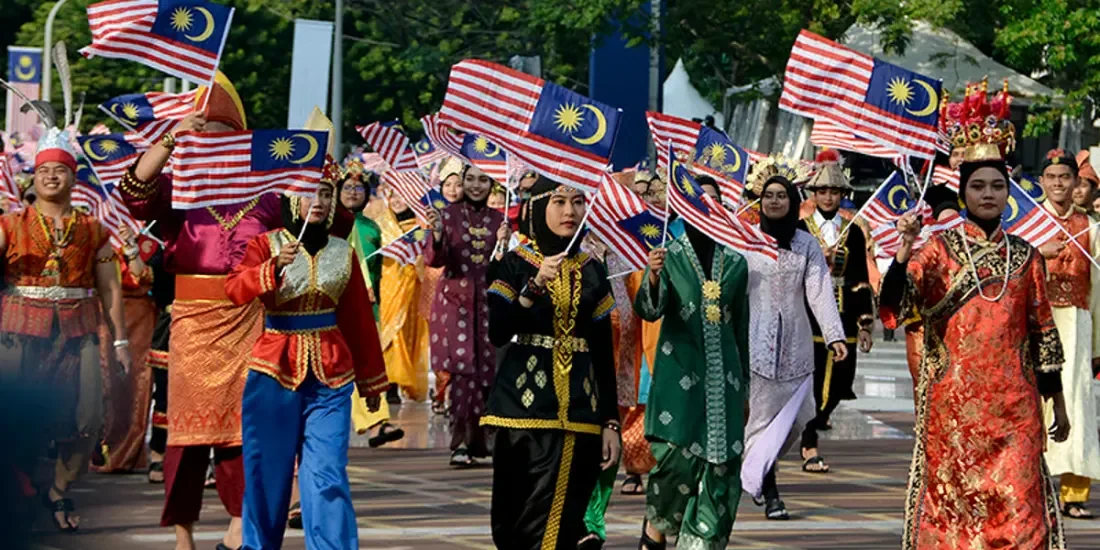
Malaysia Day
Commemorates the 1963 formation of Malaysia from Malaya, Sabah, Sarawak and Singapore, a national holiday with parades and community events.
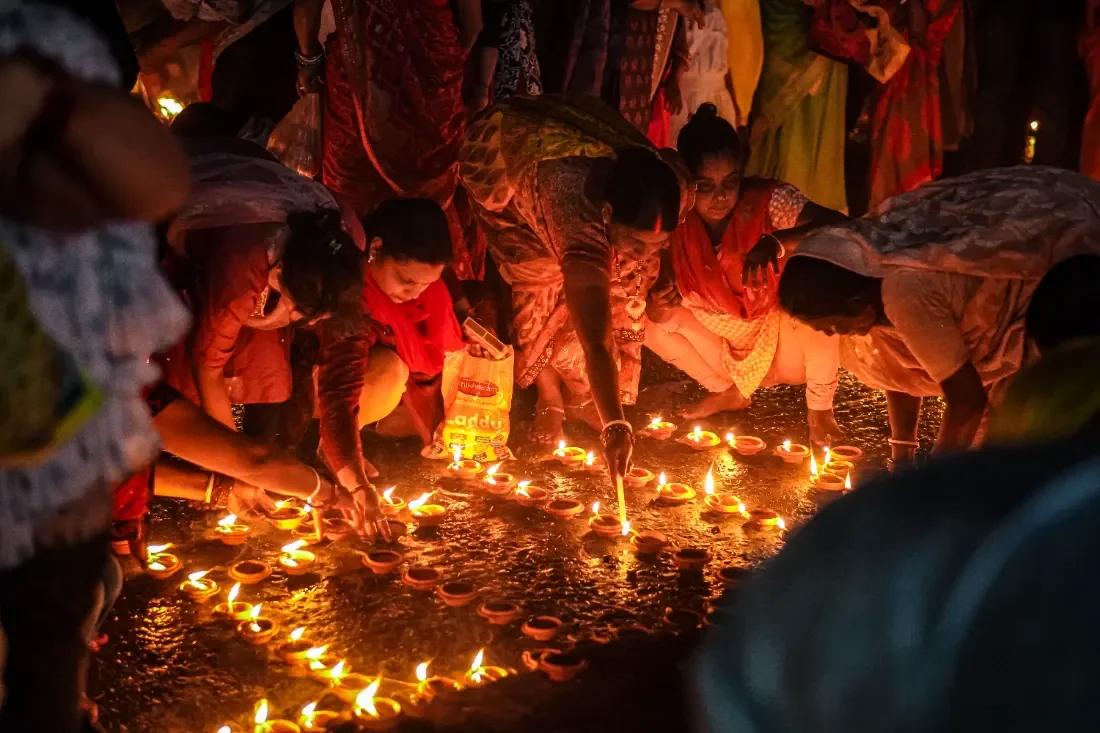
Deepavali
The Hindu festival of lights, oil lamps, rangoli and open houses among Kota Kinabalu’s smaller Indian community.
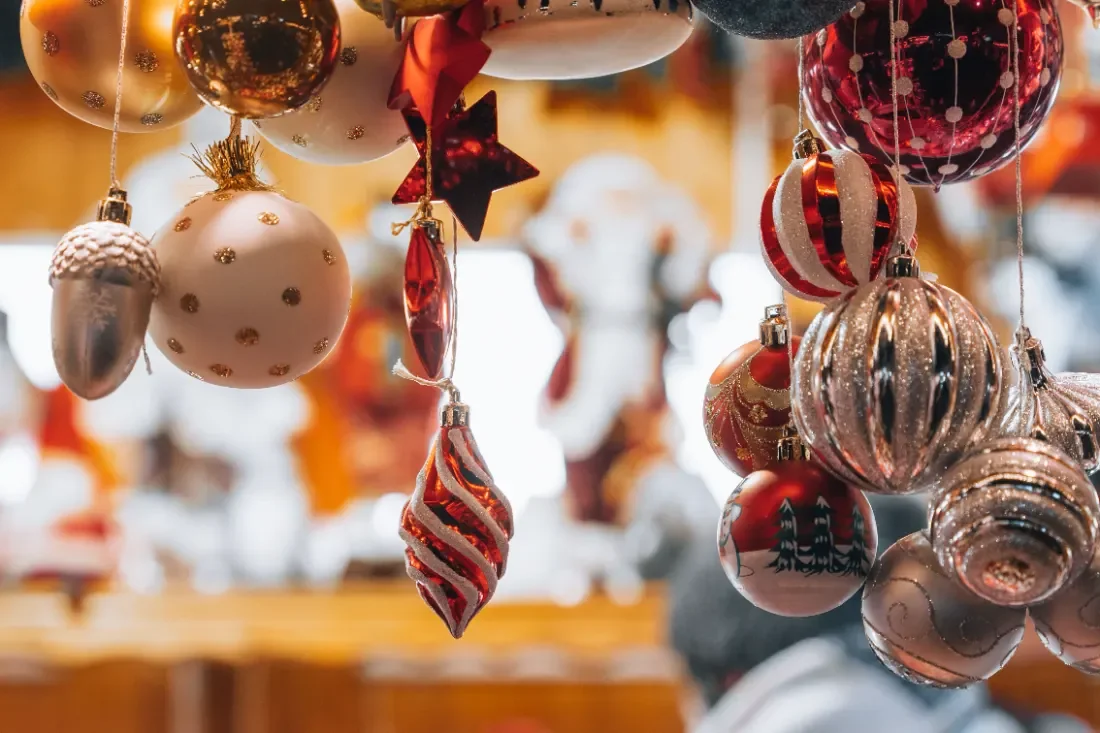
Christmas
Sabah has Malaysia’s largest Christian population; Penampang and the interior carol from door to door through December.
Also in the year: Regatta Lepa in Semporna (April), Pesta Kalimaran in Tenom (April), the Kota Kinabalu Jazz Festival (October) and Thaipusam, alongside the eight above.
Kota Kinabalu is a small city with an international airport, a growing café and dining scene, and five islands twenty minutes offshore. Living costs sit well below Kuala Lumpur or Singapore, English is spoken everywhere, and the weather does the same thing all year.
GREATER KOTA KINABALU, WEST COAST
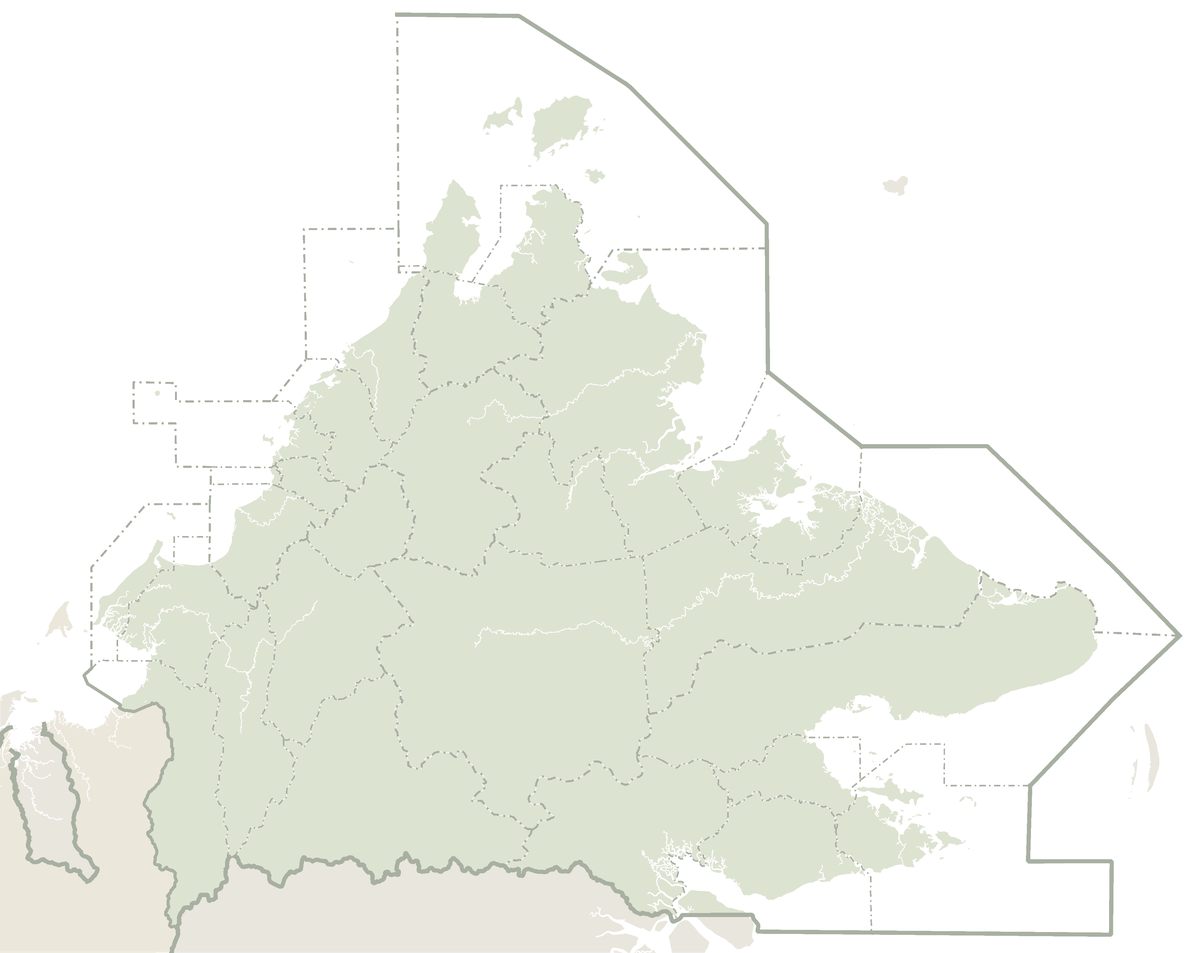 KOTA KINABALU
 The state capital sits on the north-west coast, two and a half hours from Singapore and Hong Kong alike.
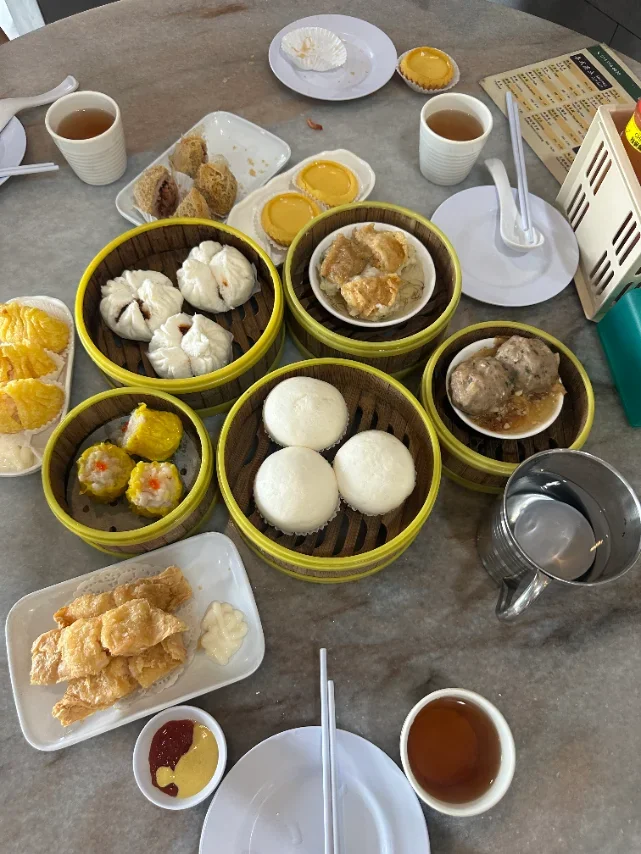
Kopitiam Mornings
The day starts at a kopitiam, kopi-o, half-boiled eggs and roti kahwin at a marble-top table, open before most offices are.
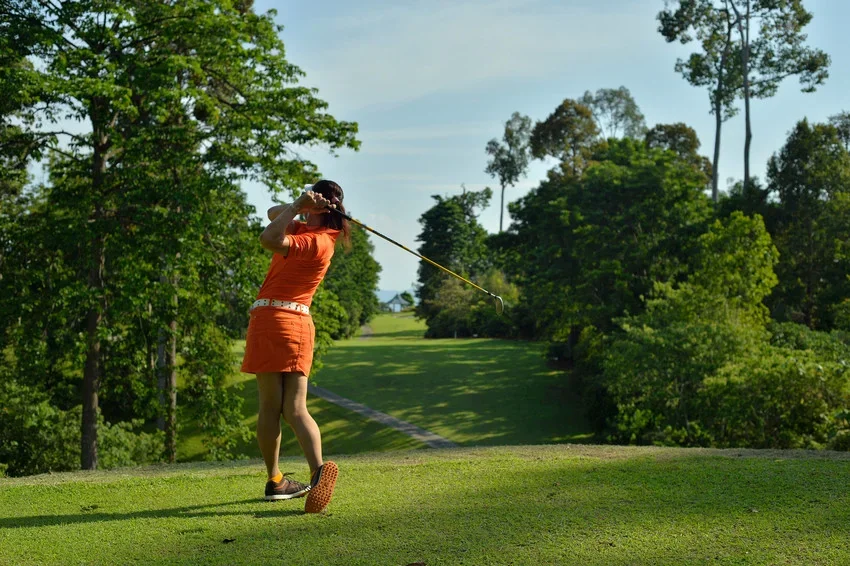
A Round of Golf
Championship courses at Sutera Harbour and Nexus Karambunai, eighteen holes with the South China Sea on one side and rainforest on the other.
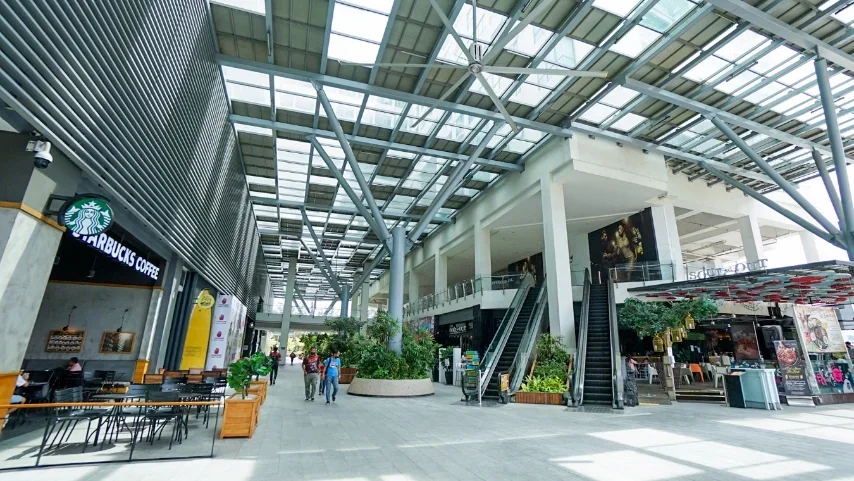
Shopping Getaways
Suria Sabah, Imago and 1Borneo cover the brands, the cinemas and the food courts, the answer to a hot afternoon with kids in tow.
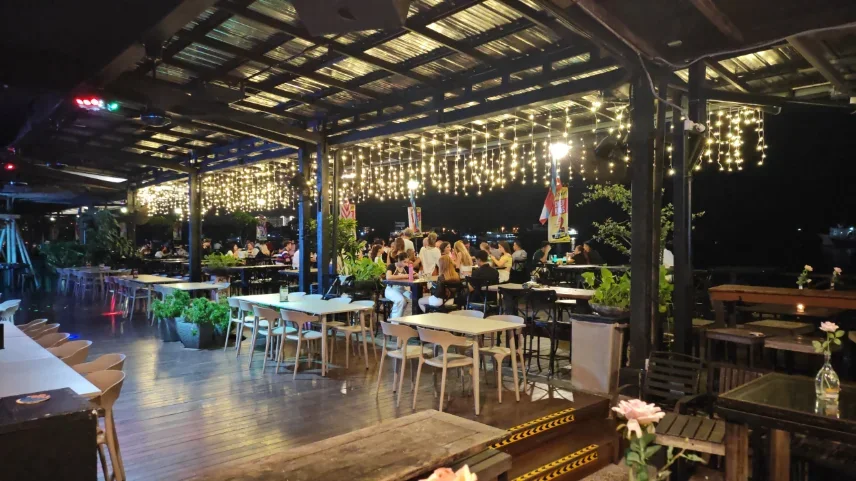
Nightlife at the Waterfront
The KK Waterfront runs on sunset drinks and live bands, with late bars and clubs along Jalan Gaya and Api-Api for the nights that keep going.
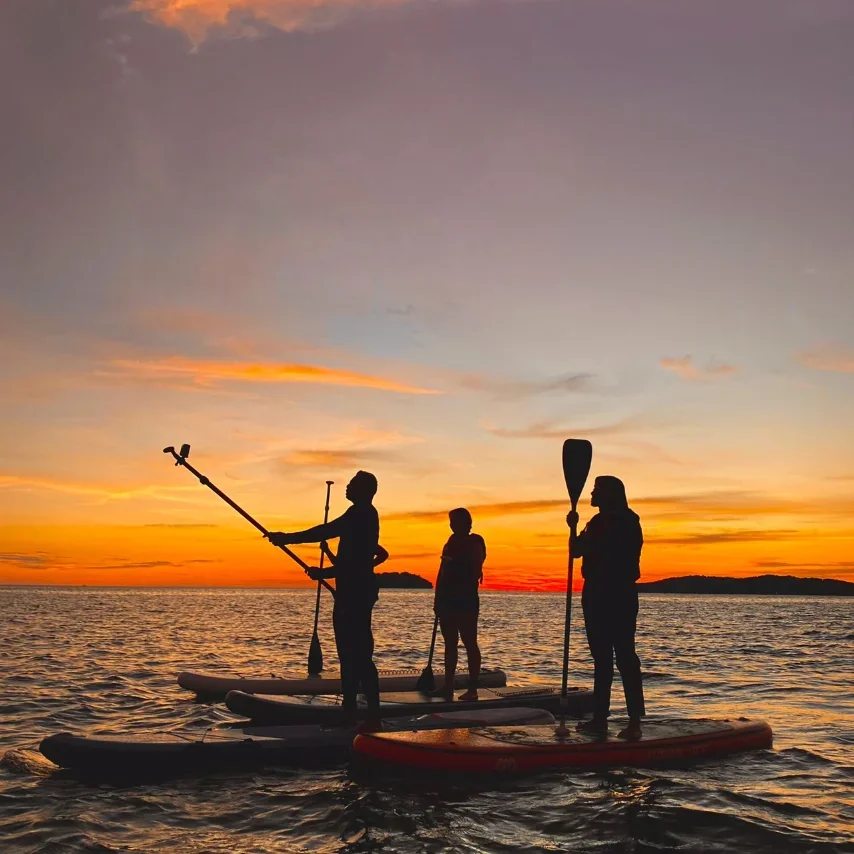
Watersports at Tanjung Aru
Jet skis, paddleboards, kite surfing and sailing off the city beach, an hour on the water and still back in time for dinner.
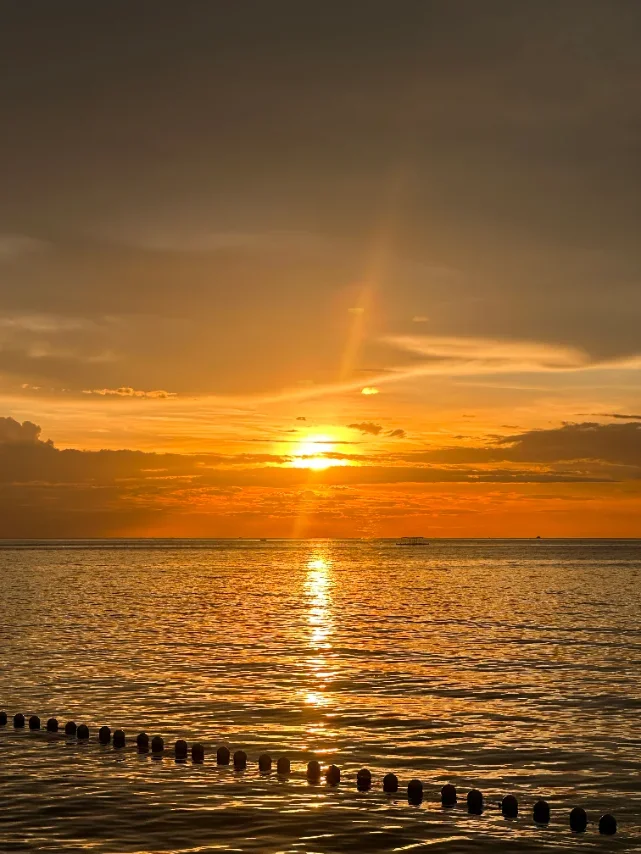
Sunset at Sutera Harbour
A six-kilometre spit of sand thirty minutes north of the city, the resort strip, the golf course and the state’s longest uninterrupted beach sunset.
International and Chinese independent schools sit alongside four universities in and around the capital, most within a short drive of the city centre.





A full public teaching hospital and a growing cluster of private specialist centres cover the city, with same-day appointments and international-standard facilities.

Talk to us about your project.
CONTACT INVEST SABAHLoads a chat service from HelloReply, which may set its own cookies.