Sabah runs its own grid, and the plan for the next twenty years is already published.
Sabah’s energy development is guided by the Sabah Energy Roadmap and Master Plan 2040, led by the Energy Commission of Sabah, with measurable targets across supply reliability, rural electrification, sustainable tariffs and renewable integration. The state runs an independent grid: peak demand reached 1,260 MW in May 2026 against 1,512.75 MW of dependable capacity excluding solar. For an investor the opportunity is the build-out itself, sitting inside a published, target-driven plan rather than a discretionary pipeline.
THE INVESTMENT CASE
01
>50%
RENEWABLE CAPACITY TARGET BY 2035
A published roadmap
SE-RAMP 2040 sets measurable targets and dates, not a discretionary pipeline.
02
1,512 MW
DEPENDABLE CAPACITY, EXCLUDING SOLAR
Its own grid
Peak demand of 1,260 MW in May 2026, leaving a 20% reserve margin.
03
800 MW
BIOENERGY POTENTIAL
The largest renewable resource
Palm and agricultural residue streams, the biggest bioenergy resource in the country.
04
1,500+ MW
HYDROPOWER POTENTIAL
Hydro at scale
River and pumped-storage potential, including the Upper Padas development.
05
275 kV
TRANSMISSION BACKBONE
Coast to coast
West coast through to Sandakan, Lahad Datu and Tawau, with a Sarawak interconnection in service.
SEVEN TARGETS IN SE-RAMP 2040
01
SAIDI below 100 minutes
STATE2030
02
100% rural electrification for Sabah
STATE2030
03
A sustainable electricity tariff
STATE2030
04
A balanced generation fuel mix, HHI below 0.5
STATE2035
05
Renewable share above 50% by capacity and above 30% by energy
STATE2035
06
Low-carbon nation aspiration
NATIONAL2040
07
Carbon neutrality
NATIONAL2050
BY THE NUMBERS
The grid as it stands today, the reserve behind it, and the resource the roadmap intends to convert.
DEMAND
1,260 MW
peak demand, May 2026
CAPACITY
1,512.75
MW dependable capacity, excluding solar
RESERVE
20%
reserve margin, May 2026
TARGET
>50%
renewable capacity share by 2035
GAS
960 MW
installed gas capacity, April 2026
SOLAR
136.3
MW large-scale solar in the mix
STORAGE
100 MW
battery storage in the mix, 400 MWh at Lahad Datu
INTERCONNECTION
340 MW
Sabah–Sarawak transfer capability
RESOURCE
99,400
MW theoretical solar PV potential
Sources: peak demand, dependable capacity, reserve margin, the fuel mix and the Sabah–Sarawak transfer are the Energy Commission of Sabah’s own figures, as at April and May 2026. The 2040 targets are from the Sabah Energy Roadmap and Master Plan 2040 (SE-RAMP 2040), whose underlying data is older. Resource potentials are from the Malaysia Renewable Energy Roadmap, the Department of Minerals and Geoscience, and the Sabah Hydro Development Master Plan (pending). The Lahad Datu battery energy storage system is 100 MW / 400 MWh (Sabah Electricity): it entered service at 50 MW in July 2025, reached full output that August and was officially launched in December 2025. SE-RAMP's 50 MW predates its completion and is not the current figure.
HOW THE TRANSITION IS PHASEDINTERACTIVE
Pick a phase to see the technologies it runs on and what is still open.
SE-RAMP 2040 sets a renewable share for each horizon. Each phase below lists the technologies it depends on, and the sage panel names the gap a new entrant would fill.
0140% RENEWABLE
Diesel out, solar and storage in.
The medium-term phase leans on solar PV, hydropower, bioenergy and battery storage while diesel is phased out. Solar is capped at 22% of peak grid load, about 1,166 MW, until storage eases that ceiling.
THE GAP
Utility-scale solar inside the intermittency headroom, plus the first tranche of storage that widens it.
01
Solar PV
Highest solar irradiance in Malaysia, capped for now by grid intermittency.
02
Hydropower
River capacity brought forward ahead of the pumped-storage phase.
03
Bioenergy
Palm and agricultural residue streams, the largest renewable resource in the state.
04
Battery storage
100 MW / 400 MWh already in the capacity mix at Lahad Datu, with more required each phase.
05
Gas
960 MW of gas-led generation carries the base through the transition.
06
Diesel phase-out
Oil-fired capacity of 311.4 MW retired across the medium term.
0250% RENEWABLE
Half the capacity renewable, and the resource mix widens.
Wind, pumped hydro storage and geothermal join the mix as the roadmap targets renewable share above 50% by capacity and above 30% by energy, with a balanced generation fuel mix at HHI below 0.5.
THE GAP
Pumped hydro storage, the Tawau geothermal prospect, and wind capacity where the grid can absorb it.
01
Solar PV
Theoretical potential of 99,400 MW; 1% of unused land would yield about 1,000 MW.
02
Wind
Onshore and offshore potential of around 100 MW, limited by intermittency.
03
Hydropower
Over 1,000 MW large and over 500 MW small hydro, pending the master plan.
04
Bioenergy
800 MW of potential, constrained mainly by feedstock logistics and connection cost.
05
Pumped hydro storage
Storage depth that lifts the ceiling on solar and wind share.
06
Geothermal
100 MW concentrated in Tawau, with development planning under way.
0360% RENEWABLE
Sixty per cent renewable, and two new technologies under study.
The long-term phase aligns Sabah with the national low-carbon aspiration. Ocean thermal energy conversion and small modular reactors enter as candidates, both subject to feasibility studies.
THE GAP
Grid-scale storage depth, and the feasibility work behind ocean thermal and small modular reactors.
01
Solar PV
The workhorse of every phase, sized against storage and grid headroom.
02
Hydropower
Upper Padas phases and the interior river systems.
03
Bioenergy
Residue streams from the palm and agricultural base.
04
Battery storage
Ancillary services and firming across the whole system.
05
Ocean thermal
OTEC, subject to feasibility studies.
06
Small modular reactors
SMR, subject to feasibility studies.
0480% RENEWABLE
Carbon neutrality, on capacity commissioned in the 2030s.
The final horizon carries a national carbon neutrality target with renewables at around 80% of Sabah’s capacity. Nothing in this phase is built in this phase; it is delivered by the projects contracted two decades earlier.
THE GAP
Long-horizon capacity: the generation and storage contracted through the 2030s is what lands here.
01
Solar PV
Mature, storage-firmed solar as the largest single share.
02
Hydropower
River and pumped storage operating as system backbone.
03
Bioenergy
Residue-fired capacity with established feedstock logistics.
04
Battery storage
Storage as standard infrastructure rather than an add-on.
05
Ocean thermal
OTEC, subject to feasibility studies.
06
Small modular reactors
SMR, subject to feasibility studies.
WHERE THE CAPACITY SITSINTERACTIVE
Four places the build-out lands. Pick one to read its profile.
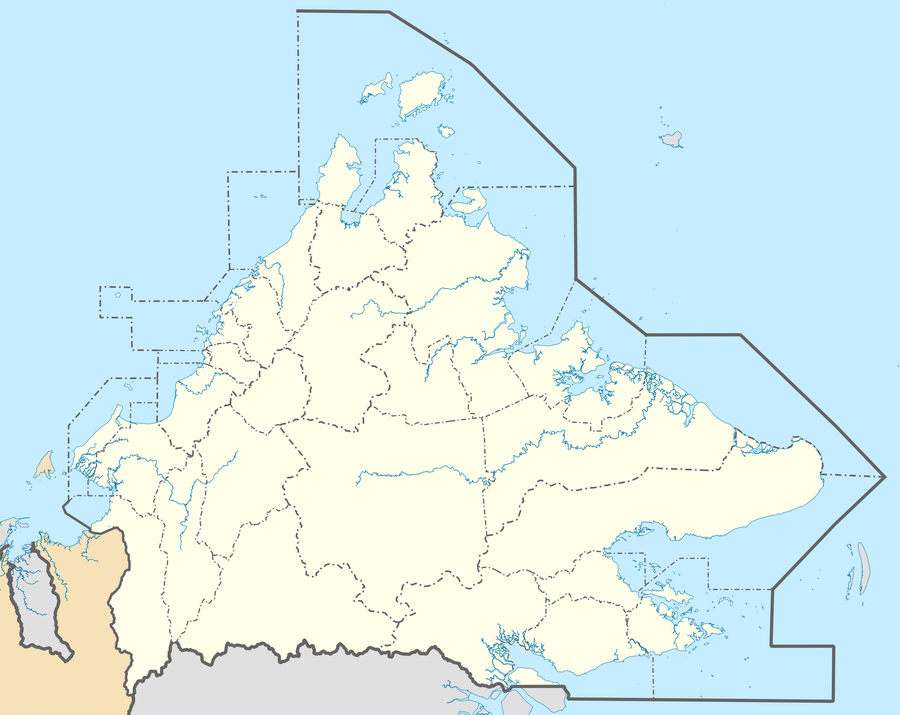
Select a site below, or click a pin on the map. The panel shows its capacity, its role in the system and what already operates there.
KIMANIS CORRIDORWEST COAST GAS AND BACKBONE
Kimanis and the west coast corridor
GAS CAPACITY
960 MW
BACKBONE
275 kV
WHAT IS THERE NOW
Generation today is gas-led, at 960 MW of installed capacity
The 275 kV backbone runs Kota Kinabalu, Kimanis and Beaufort
Kimanis supplies feed gas and power to industry
Reinforcement continues alongside new generation
SYSTEM & ACCESS
→275 kV and 132 kV backbone through the corridor
→Industrial demand at KKIP immediately north
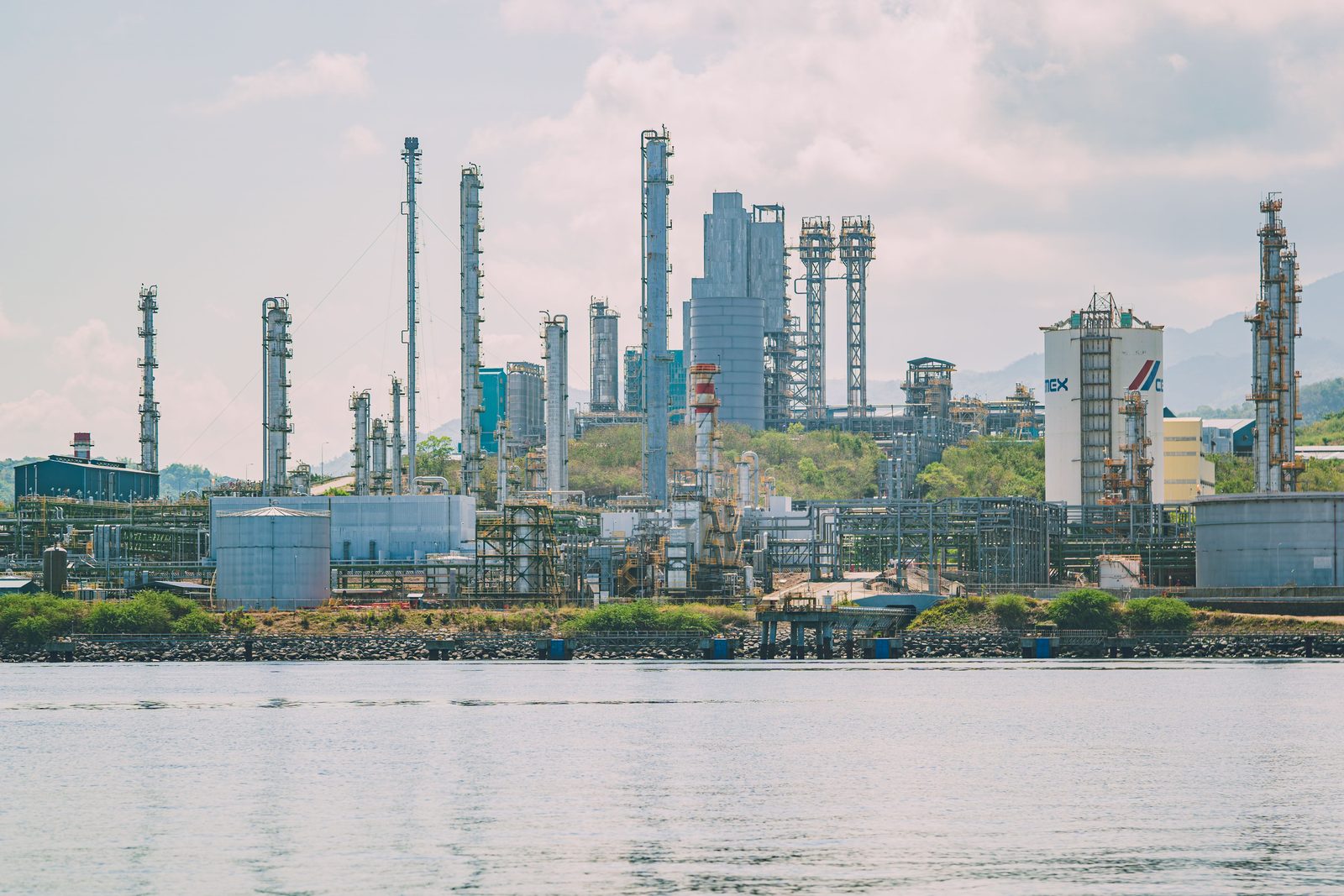
→Sabah Oil and Gas Terminal here, and SOGIP further south
ACTIVITY
Gas-fired generationLNG and micro-LNGGrid reinforcementAncillary servicesIndustrial power supply
SOGIP SIPITANGGAS VALUE CHAIN ESTATE
Sipitang Oil & Gas Industrial Park
ESTATE
5,539 ac
ROLE
Gas value chain
WHAT IS THERE NOW
Sabah’s first park designated for oil, gas and heavy industry
Heavy-industry and petrochemical estate
Floating LNG and micro-LNG openings alongside power
Suited to energy-intensive production
SYSTEM & ACCESS
→16–25 m water depth, deep enough for very large crude carriers
→Dedicated industrial jetty and bulk handling
→Adjoins Brunei and Sarawak inside BIMP-EAGA
ACTIVITY
Gas value chainLNG logisticsGreen steelIndustrial processingBulk storage
UPPER PADASHYDRO AND INTERCONNECTION
Upper Padas and the interior rivers
HYDRO POTENTIAL
>1,500 MW
PHASES
1A and 1B
WHAT IS THERE NOW
Upper Padas is planned across Phase 1A and Phase 1B
Statewide hydro potential exceeds 1,500 MW including pumped storage
The Sabah Hydro Development Master Plan is pending
Connects Sabah more deeply into Borneo’s power network
SYSTEM & ACCESS
→Sabah–Sarawak interconnection: 50 MW today, 340 MW transfer capability
→Interior river systems across the ranges
→Feeds the 275 kV backbone
ACTIVITY
Large hydroSmall hydroPumped hydro storageTransmission works
TAWAUGEOTHERMAL AND BIOENERGY
Tawau geothermal prospect
RESOURCE
100 MW
STATUS
Planning
WHAT IS THERE NOW
Malaysia’s most advanced geothermal prospect
The resource is concentrated around Tawau
Development planning is under way
East coast grid connection at Tawau
SYSTEM & ACCESS
→275 kV east coast grid reaches Tawau
→Palm and agricultural residue in the surrounding belt
What the National Investment Incentive Framework awards a project here.
The National Investment Incentive Framework grades projects on quality, then reads the award off the enhanced tier, the row that applies to most projects here. The state can add to the federal award on land premium and infrastructure.
FEDERAL NIF · ENHANCED TIER
Special Tax Rate, High quality
Frontier or advanced activity, high-skilled roles, strong export orientation.
0% FOR 15 YEARS
Special Tax Rate, Medium quality
A commercially sound operation that does not clear the High bar.
5% FOR 15 YEARS
Investment Tax Allowance
Against qualifying capital expenditure, offset up to 100% of statutory income.
100% QCE FOR 10 YEARS
Baseline quality
Earns nothing under the General category. On the enhanced tier it still qualifies.
10% FOR 5 YEARS
State-level support
Land premium treatment and infrastructure support, on top of the federal award.
CASE BY CASE
Eligibility is assessed case by case against the quality bands. Confirm your project’s band with an Invest Sabah officer before committing capital.
WHERE THE PIPELINE IS OPEN
The six openings the roadmap creates, from generation to the gas value chain.