THE CASE IN FULL
The case for Sabah, in ten points.
Three groups, in the order an investment committee asks them. What the state physically has. What operating here is actually like. And what the federation guarantees on top.
A net carbon sink, with the data to prove it.
2.227 million hectares — 30.06% of the landmass — are locked into Totally Protected Areas, against state pledges of 50% forest cover, 30% of the land and 15% of the marine environment. Two million trees have been replanted and RM30 million a year is committed to forest preservation. What a board needs from that is the record underneath it: the Coral Triangle Initiative and the Heart of Borneo give the numbers international standing, and your carbon accounting and EU due-diligence filings stand on forest and land data the state already keeps.
CONSERVATION, AS IT IS RECORDED
Chief Minister's Department of Sabah; Sabah Forestry Department, 2026. † State-reported.
From raw deposit to advanced material.
Sabah refines its own minerals and ships the substrate, not the sand. Silica sand at 99.9% purity is processed into photovoltaic solar glass in state; anode materials for lithium-ion cells and laminates for printed circuit boards leave from the same industrial base. For the electrical and electronics supply chain that puts Sabah at the start of the line rather than the end of it, feeding semiconductor, smartphone, solar and battery plants worldwide, with Malaysia's own OSAT ecosystem next door.
MADE IN SABAH, BY SABAHANS
SBH Kibing Solar New Materials; MIDA.
Bio-based feedstock at industrial volume.
Sabah's mills process around 26 million tonnes of fresh fruit bunches a year — the largest volume of any Malaysian state — and the empty fruit bunches, fibre, kernel shell and effluent that come off them are already collected and moved. That is a year-round feedstock supply for sustainable aviation fuel, bio-chemicals, bio-plastics, biogas and biomass power, with EU aviation fuel mandates writing the demand into law rather than into a forecast.
RESIDUE STREAMS AND WHERE THEY GO
MPOB; state biomass data. † Mill count indicative.
An eco-hospitality market you cannot copy.
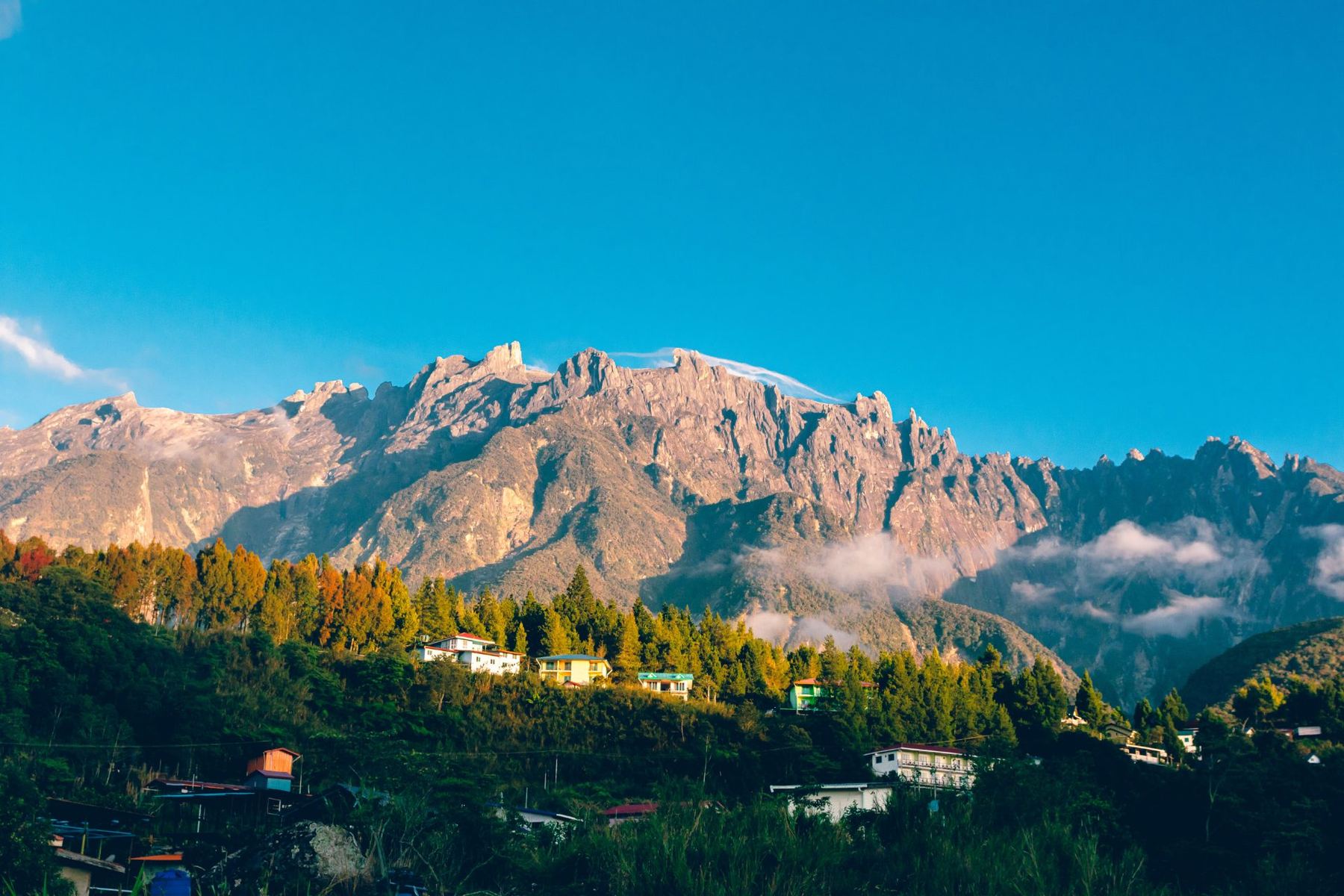
Mount Kinabalu alone carries three UNESCO designations — World Heritage Site, Biosphere Reserve and Global Geopark — and Sipadan and Sepilok exist nowhere else. Visitors already fly in direct from Guangzhou, Shanghai, Seoul and Tokyo in four to five hours: 3,793,709 arrivals in 2025. What is short is capacity. Premium rooms, wellness, marina berths and conference space all lag the arrivals, and conservation rules cap buildable scale, so the rooms built first hold their rate.
DEMAND AGAINST CAPACITY, INDEXED†
Sabah Tourism Board, 2026 — 3,793,709 arrivals in 2025. † Indicative comparison.
The developed gateway to Borneo and east ASEAN.
Indonesia is building its new capital on this island and industrialising Kalimantan beside it. Sabah is the built-out gateway to that frontier, and still roughly four hours from every major East Asian economy: eleven hubs inside a six-hour direct flight, 650 million ASEAN consumers in reach, direct flights out of Kota Kinabalu to fifteen international and thirteen domestic destinations, and the designated BIMP-EAGA transshipment point.
DIRECT FLIGHTS TO MAJOR CITIES FROM KOTA KINABALU
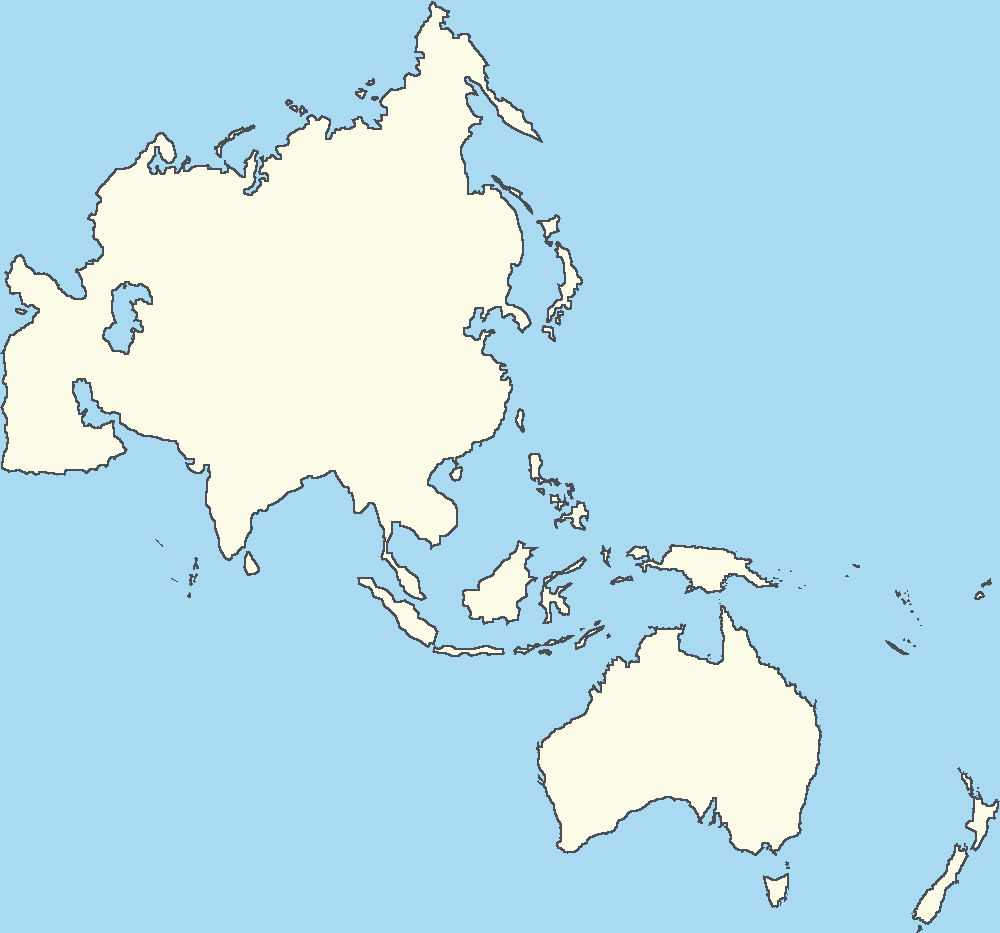 ChongqingFuzhouBeijingShanghai, HangzhouSeoul, BusanTaipeiHong Kong, Shenzhen, GuangzhouManilaKuala LumpurSingaporeJakartaSABAH
 WITHIN ~3 HOURS
- Fuzhou
- Taipei
- Hong Kong, Shenzhen, Guangzhou
- Manila
- Kuala Lumpur
- Singapore
- Jakarta
WITHIN ~6 HOURS
- Chongqing
- Beijing
- Shanghai, Hangzhou
- Seoul, Busan
Sabah Tourism Board / MAHB, January 2026.
Infrastructure and power, funded and dated.
Not a masterplan. RM1.6 billion of federal money is committed with completion dates against it — Sapangar Bay from 500,000 to 1.25 million TEU, RM563.2 million across the Kota Kinabalu and Tawau airports, 706 km of the Pan Borneo Highway through Sabah — and four state industrial parks are ready to plug into now. The power arrives on the same terms: firm low-carbon electricity contracted to your plant under the SE-RAMP 2040 roadmap rather than certificated after the fact, with Southeast Asia's largest battery storage system already steadying the east coast grid.
COMMITTED, WITH DATES
RM1.6 bn committed and under construction.
THE POWER STACK
Sabah Energy Commission; SE-RAMP 2040.
Young, and already working in English.
Median age 27.2, four years under the national median. Nearly half of Sabah is under 25, and the cohort entering the workforce now is the largest the state has ever had. English carries the working day — filings, meetings and floor instructions alike — so there is no translation layer between your managers and the line. UMS, UiTM, the polytechnics and the TVET centres add more than 20,000 graduates a year.
SABAH'S POPULATION BY AGE BRACKET
National median age 31.3: DOSM, Current Population Estimates Malaysia 2025. Sabah’s median age and the graduate count: Invest Sabah.
A proven supplier to Western supply chains.
Western semiconductor firms have finished silicon on Malaysian soil for four decades. The audit culture, export-control practice and customs record that implies are already in place, and Malaysia remains a non-aligned ASEAN member with no sanctions exposure and six decades of unbroken U.S. trade ties. It is an origin that clears US and EU scrutiny, from a state that keeps the forest and land data to evidence its own supply chain.
WHAT THE ORIGIN CARRIES
Forty years of Western semiconductor manufacturing in Malaysia.
Passport to ASEAN and the emerging markets.
Malaysian origin travels. Build here and the goods leave with the paperwork already in their favour: zero tariff on intra-ASEAN trade in goods, RCEP cumulation across fifteen markets, CPTPP access around the Pacific Rim, and JAKIM halal certification — among the most widely recognised standards there is — opening OIC markets that are hard to reach directly from anywhere else.
THE AGREEMENTS YOUR GOODS TRAVEL ON
MITI; JAKIM.
Rule of law and asset protection.
Malaysia is a common-law jurisdiction that runs in English: contracts, filings, court proceedings and government correspondence, with nothing standing between you and the regulator. Foreign ownership is permitted in full, profit repatriation is unrestricted, intellectual property is enforced on TRIPS-aligned terms, and arbitral awards are enforceable under the New York Convention. The exit does not need permission either.
THE LEGAL STACK, AS YOUR COUNSEL SEES IT
Companies Act 2016; New York Convention.
Convinced by the case? Test it against your project.
TALK TO US