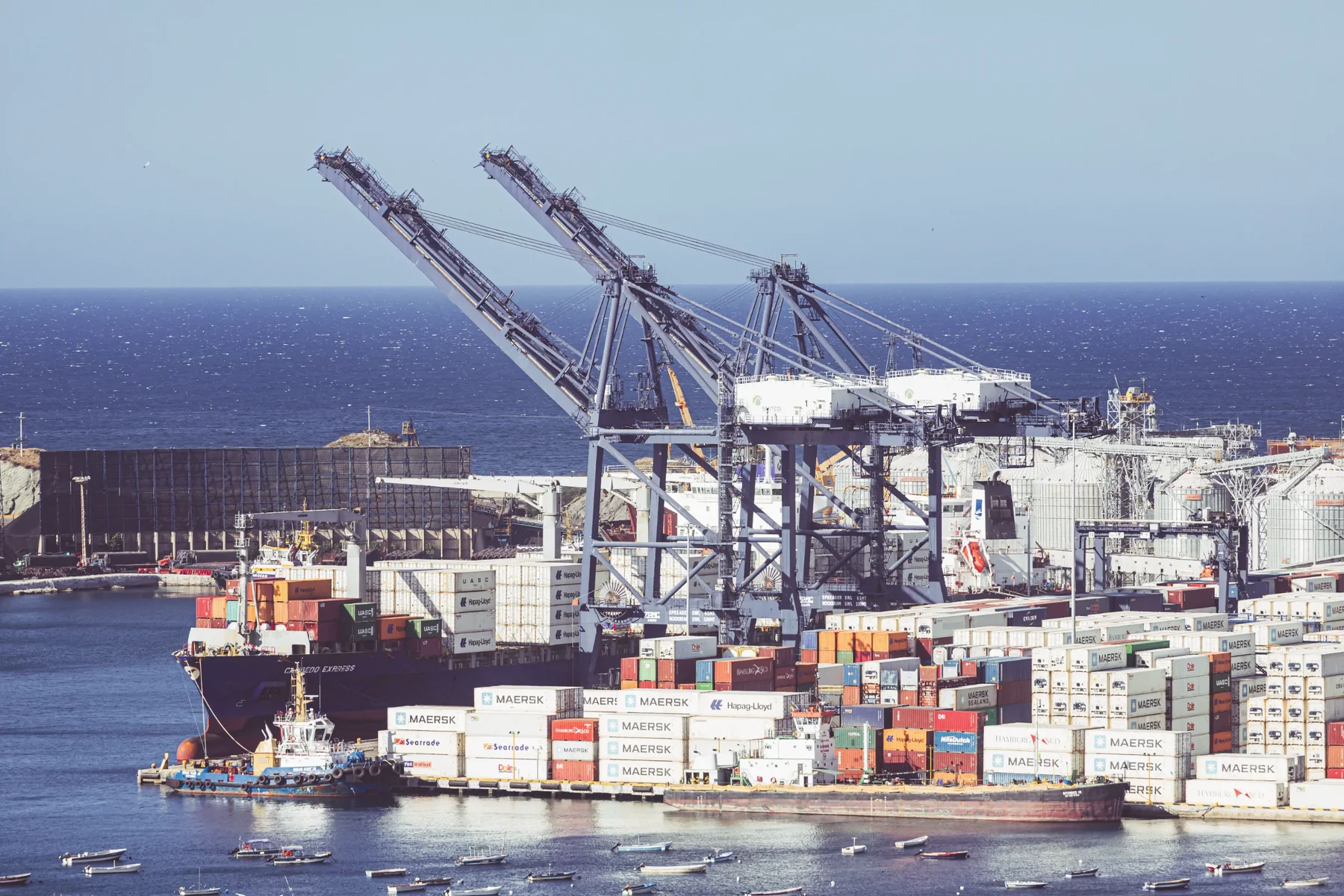
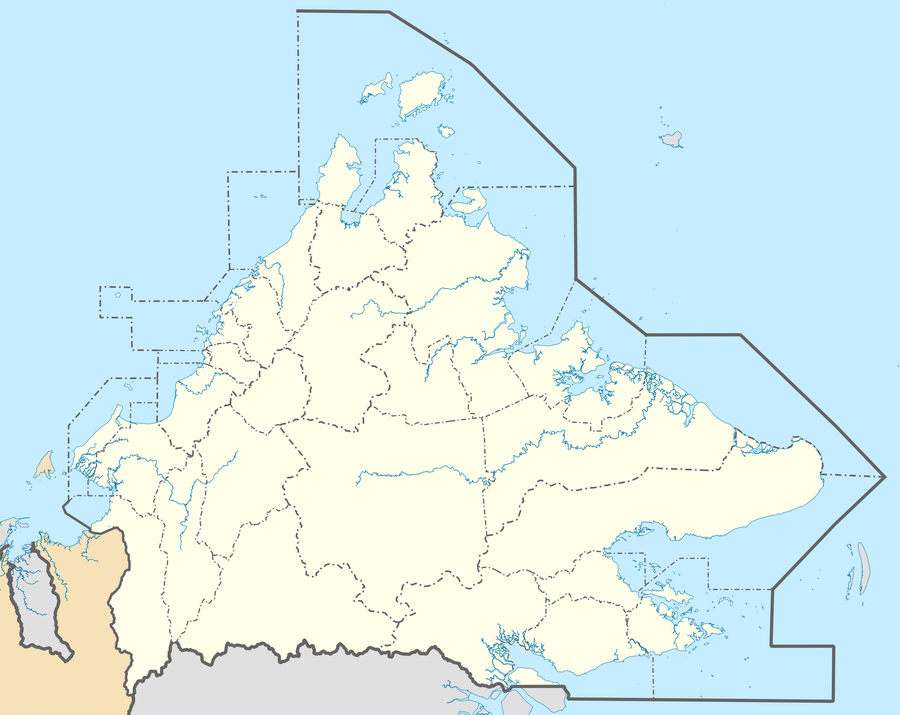
Sabah sits on the crossroads of South China Sea shipping lanes, at the heart of BIMP-EAGA.
Sabah’s logistics sector is a cornerstone of its economic growth, supported by expanding maritime, land and air infrastructure and with access to nearly 80 million people across BIMP-EAGA. Sapangar Bay Container Port is under upgrade, the Pan Borneo Highway is closing, and Kota Kinabalu International is Malaysia’s second busiest airport. The openings are in cold-chain logistics, warehousing and smart supply-chain capability.
THE INVESTMENT CASE
01
80M
PEOPLE REACHABLE ACROSS BORNEO
At the heart of BIMP-EAGA
A natural transhipment point on South China Sea lanes between ASEAN and global markets.
02
1.25M TEU
SAPANGAR BAY CAPACITY ON COMPLETION
A deep-water gateway under upgrade
Rising from 500,000 TEU, with management and operations entrusted to DP World.
03
No. 2
BUSIEST AIRPORT IN MALAYSIA
Air freight already at scale
KKIA sits ten minutes from the city and twenty from the container port.
04
706 km
PAN BORNEO HIGHWAY, SABAH STRETCH
Land links closing
78% complete and targeted for early 2026, linking Sarawak, Brunei and Kalimantan.
05
4
SERVICED INDUSTRIAL PARKS
Land beside the infrastructure
KKIP, SIP Sandakan, POIC Lahad Datu and SOGIP, with utilities and direct access in place.
BY THE NUMBERS
The gateway capacity being built, the land links being finished, and the market inside reach of both.
MARKET
80M
people reachable across BIMP-EAGA
CONTAINER PORT
1.25M
TEU capacity at Sapangar Bay on completion
TODAY
500,000
TEU capacity before the upgrade
AVIATION
No. 2
busiest airport in Malaysia, KKIA
HIGHWAY
706 km
Pan Borneo Highway across Sabah
PROGRESS
78%
of the Sabah stretch complete
NETWORK
5,324 km
Pan Borneo Highway across Borneo
JETTY
30,000
DWT vessels at the SIP Sandakan jetty
SEA-AIR
20 min
between KKIA and Sapangar Bay Container Port
Sources: Sapangar Bay container capacity, DP World and Sabah Ports, April 2024: capacity rises from 500,000 TEU to 1.25 million on completion of the expansion. No completion date is stated here because the published dates have moved. Everything else on this page: MIDA, “Transforming Sabah Into A Logistics Hub: Leveraging Strategic Location and Infrastructure Development”, December 2024.
HOW THE CARGO MOVESINTERACTIVE
Pick a mode to see what already exists and what is still missing.
Sea, land, air and the systems that tie them together. Each mode below lists the capacity in place, and the sage panel names the gap a new entrant would fill.
01SEA
The deep-water gateway is being rebuilt around transhipment.
Sabah sits at the northern tip of Borneo on the crossroads of South China Sea shipping lanes, a natural transhipment point between ASEAN and global markets. Sapangar Bay is under upgrade, and the east coast carries its own jetty and bulk capacity.
THE GAP
Free-zone warehousing and container-adjacent handling that converts new berth capacity into transhipment volume rather than exporting it.
01
Sapangar Bay Container Port
Capacity rising from 500,000 to 1.25 million TEU, operated by DP World.
02
Sandakan Port
East coast gateway, 15.1 km from the Sandakan industrial park.
03
Tawau Port
Perishables and cross-border trade with Indonesian and Philippine routes.
04
POIC Lahad Datu
Dedicated deep-water port and liquid bulk jetty inside the cluster.
05
SOGIP jetty
Industrial jetty and bulk handling for heavy industry at Sipitang.
06
Free zone facilities
Zone and park facilities sitting next to the port infrastructure.
02ROAD
One highway, three borders.
Phase one of the Sabah stretch spans 706 km of the 5,324 km Borneo network and is 78% complete, targeted for the first quarter of 2026. It links Sabah to Sarawak, Brunei and Indonesian Kalimantan, and it connects all four serviced industrial parks.
THE GAP
Distribution centres and inland consolidation along the completed highway, plus multi-temperature trucking between the two coasts.
01
Pan Borneo Highway
706 km across Sabah of a 5,324 km Borneo network, 78% complete.
02
Cross-border links
Road access to Sarawak, Brunei and Indonesian Kalimantan.
03
Warehousing & distribution
Modern storage and fulfilment centres with automation for e-commerce.
04
Cold-chain trucking
Multi-temperature movement between the east and west coasts.
05
Industrial park access
KKIP, SIP Sandakan, POIC Lahad Datu and SOGIP on the network.
03AVIATION
Malaysia’s second busiest airport, with cargo capacity going in.
Kota Kinabalu International handles the second largest passenger volume in Malaysia, sits ten minutes from the city centre and twenty from Sapangar Bay, and is being expanded for air cargo by Malaysia Airports alongside commercial and retail development.
THE GAP
Air cargo handling, MRO line and base maintenance, and aerospace component work supported by local technical training.
01
Kota Kinabalu International
Second busiest airport in Malaysia by passenger volume.
02
Air cargo expansion
Malaysia Airports is expanding cargo handling capacity at KKIA.
03
Sea-air corridor
Twenty minutes between the airport and the container port.
04
MRO
Line, base and component maintenance, repair and overhaul.
05
Perishables handling
Cold-chain handling for seafood and high-value perishables.
06
Aerospace components
Component work supported by local technical training.
04SYSTEMS
Technology is where the next efficiency gain sits.
Operators in Sabah are adopting blockchain for secure chain-of-custody records, IoT sensors for real-time cargo and temperature tracking, and AI-driven predictive analytics for demand and route planning. For an investor, that is an opening to bring platform capability into a market whose trade volumes are already substantial.
THE GAP
Platform ventures: chain-of-custody, cargo visibility and route planning sold into palm oil, timber, seafood and oil and gas flows.
01
Chain of custody
Blockchain records for secure, auditable cargo provenance.
02
Cargo visibility
IoT sensors for real-time location and temperature tracking.
03
Predictive analytics
AI-driven demand forecasting and route planning.
04
Platform capability
Software sold into substantial and growing commodity trade flows.
WHERE THE CARGO MOVES THROUGHINTERACTIVE
Four gateways. Pick one to read its profile.
Select a gateway below, or click a pin on the map. The panel shows its capacity, its access and what already operates there.
SAPANGAR BAYDEEP-WATER CONTAINER GATEWAY
Sapangar Bay Container Port
CAPACITY ON COMPLETION
1.25 million TEU
OPERATOR
DP World
WHAT IS THERE NOW
Upgrades under way to lift annual capacity from 500,000 to 1.25 million TEU
Management and operations entrusted to DP World by Sabah Ports
Targeted as a premier regional trade hub within BIMP-EAGA
On the South China Sea shipping lanes between ASEAN and global markets
LOGISTICS & ACCESS
→7 km to KKIP serviced industrial land
→20 min to Kota Kinabalu International Airport
→Natural transhipment point at the northern tip of Borneo
PRIORITY INDUSTRIES
TranshipmentContainer handlingFree zone logisticsBulk & break-bulkWarehousing & distribution
KKIAAIR CARGO AND MRO GATEWAY
Kota Kinabalu International Airport
PASSENGER RANK
No. 2
TO THE CONTAINER PORT
20 min
WHAT IS THERE NOW
Second busiest airport in Malaysia by passenger volume
Malaysia Airports is expanding air cargo handling capacity
Ten minutes from the city centre, twenty from Sapangar Bay
Sea-air transhipment practical within a single corridor
LOGISTICS & ACCESS
→Commercial and retail development alongside the cargo expansion
→Airport management frameworks drawn from Singapore, Australia and Canada
→Local technical training base for aviation work
PRIORITY INDUSTRIES
Air cargo & freightCold-chain handlingMRO, line and baseAerospace componentsPerishables export
SANDAKANEAST COAST BULK AND JETTY CAPACITY
Sandakan and SIP jetty capacity
JETTY
30,000 DWT
BULKING
46,600 MT
WHAT IS THERE NOW
Permanent jetty inside SIP Sandakan for 30,000 DWT vessels
46,600 MT of bulking capacity on site
Inside the Sandakan mill catchment on the east coast
Two phases of serviced industrial land released by Sawit Kinabalu
What the National Investment Incentive Framework awards a project here.
The National Investment Incentive Framework grades projects on quality, then reads the award off the enhanced tier, the row that applies to most projects here. The state can add to the federal award on land premium and infrastructure.
FEDERAL NIF · ENHANCED TIER
Special Tax Rate, High quality
Frontier or advanced activity, high-skilled roles, strong export orientation.
0% FOR 15 YEARS
Special Tax Rate, Medium quality
A commercially sound operation that does not clear the High bar.
5% FOR 15 YEARS
Investment Tax Allowance
Against qualifying capital expenditure, offset up to 100% of statutory income.
100% QCE FOR 10 YEARS
Baseline quality
Earns nothing under the General category. On the enhanced tier it still qualifies.
10% FOR 5 YEARS
State-level support
Land premium treatment and infrastructure support, on top of the federal award.
CASE BY CASE
Eligibility is assessed case by case against the quality bands. Confirm your project’s band with an Invest Sabah officer before committing capital.
WHAT THE STATE ADDS
State and federal support that sits alongside any federal award, coordinated through one channel.
Incentives targeting cold-chain activityFree zone facilities beside the portIndustrial land with utilities in placeOne facilitated approvals channelInvest Sabah and SEDIA coordinationLand premium treatment