Sabah grows at world scale. The margin sits in what happens after harvest.
Sabah is one of the top palm oil producers in Malaysia. Agriculture works 2.1 million hectares of Sabah and contributes around 14.5% of state GDP: oil palm, rubber, cocoa, rice, tropical fruit, livestock and aquaculture across coastal, lowland and highland zones. Sabah has more palm oil mills than any other state, 128 of them, and the highest oil extraction rate in Malaysia — and most of that output still leaves the state barely processed. Policy now points at downstream conversion and certified sustainable production, and that is where land, facilitation and priority sit.
THE INVESTMENT CASE
01
2.1M ha
LAND UNDER CULTIVATION
Land at scale
Cultivated land, an established grower base and titled agricultural tenure, not frontier acreage.
02
128
PALM OIL MILLS IN OPERATION
A processing spine to plug into
Mills, crushing, cold chain and export packing already running, co-locate rather than build from zero.
03
97.6%
MSPO-CERTIFIED SMALLHOLDERS
Certified before you arrive
A verified sustainability position that European and East Asian buyers already accept.
04
7
COMMERCIAL SUB-SECTORS BEYOND PALM
More than palm
Cocoa, rubber, rice, tropical fruit, vegetables, livestock and aquaculture, each with its own catchment.
05
70M
CONSUMERS IN BIMP-EAGA
Inside the regional market
Halal-certified production with direct sea and air routes into ASEAN and East Asian buyers.
BY THE NUMBERS
The land base, the milling capacity already installed, and the certification that lets Sabah product clear a European buyer’s screens.
ECONOMY
14.5%
agriculture’s share of state GDP
LAND
2.1M ha
agricultural land under cultivation
OIL PALM
1.5M ha
oil palm planted area
MILLING
128
palm oil mills in operation
CAPACITY
34.7Mt
fresh fruit bunch capacity per year
YIELD
>20%
oil extraction rate
NATIONAL SHARE
25.4%
of Malaysia’s total palm oil output
SUSTAINABILITY
97.6%
MSPO-certified smallholders
Sources: Malaysian Palm Oil Board, Overview of the Malaysian Oil Palm Industry, 2025 data (oil palm planted area, oil extraction rate and the state rankings); Ministry of Plantation and Commodities, reported by MPOB Palm News, as at August 2024 (mills and milling capacity); the Chief Minister of Sabah, reported by Bernama, as at April 2025 (smallholder certification). The land area, the GDP share and the national output share come from Invest Sabah and are not covered by these sources.
WHERE YOU FIT ININTERACTIVE
Pick a stage of the chain to see what already exists and what is still missing.
Most of Sabah’s harvest still leaves the state barely processed. Each stage below lists the capacity in place, and the sage panel names the gap a new entrant would fill.
01UPSTREAM
Land, climate and a grower base already in place.
Agriculture works 2.1 million hectares of Sabah and contributes around 14.5% of state GDP. Oil palm dominates, but rubber, cocoa, rice, tropical fruit, vegetables, livestock and aquaculture all operate at commercial scale across distinct climate zones.
THE GAP
Yield intensification, replanting, mechanisation, protected cropping and precision agronomy on land already under cultivation.
01
Oil palm
Roughly 1.5 million hectares planted, the largest planted area of any Malaysian state.
02
Cocoa
Malaysia’s traditional cocoa belt around Tawau, with rehabilitation potential.
03
Rubber
Smallholder-led plantings supplying latex and processing feedstock.
04
Rice & vegetables
Kota Belud, Keningau and Tambunan supplying domestic food demand.
05
Aquaculture
Shrimp, grouper, seaweed and brackish-water production along both coasts.
06
Livestock
Cattle, poultry and dairy operations tied to feed and integration opportunities.
02MIDSTREAM
The processing spine is built. It runs below capacity.
128 palm oil mills can take 34.7 million tonnes of fresh fruit bunches a year, alongside grain handling, cocoa fermentation and aquaculture packing capacity. Investors can co-locate, acquire brownfield capacity, or supply the cold chain and services this base still lacks.
THE GAP
Cold chain, grading and traceability infrastructure, the missing link between smallholder output and buyers who pay premiums for certified quality.
01
Palm oil mills
128 mills with 34.7 million tonnes of annual FFB capacity.
02
Kernel crushing
Crushing and expelling capacity producing palm kernel oil and meal.
03
Cold chain
Chilled and frozen handling for seafood, fruit and vegetable exports.
04
Cocoa handling
Fermentation, drying and grading ahead of grinding and confectionery use.
05
Feed milling
Compound feed production using local kernel meal and grain residues.
06
Grading & traceability
Certification, testing and chain-of-custody systems for premium markets.
03DOWNSTREAM
Every tonne processed here is worth several times the raw export.
Downstream conversion is the state’s stated priority for agribusiness land and facilitation: oleochemicals, specialty fats, halal-certified food manufacturing and branded consumer products made in Sabah rather than shipped out as raw commodity.
THE GAP
Oleochemical and specialty-fats capacity, plus branded halal food manufacturing serving ASEAN and Middle East demand.
01
Oleochemicals
Fatty acids, alcohols, glycerine and surfactant intermediates.
02
Specialty fats
Confectionery fats, food-grade blends and nutraceutical fractions.
03
Halal food manufacturing
Certified production for ASEAN, Middle East and North African markets.
04
Cocoa & chocolate
Grinding, butter, powder and finished confectionery production.
05
Seafood products
Value-added, ready-to-cook and retail-packed marine products.
06
Fruit & beverage
Purees, concentrates, dried fruit and beverage manufacturing.
04ENABLING
Sustainability is already the competitive advantage.
97.6% of Sabah’s smallholders hold MSPO certification, among the highest rates in Malaysia. That verified position opens premium markets, and it creates demand for the technology, biomass conversion and traceability businesses that keep it credible.
THE GAP
Biomass valorisation at industrial scale, plus agri-technology ventures in precision agronomy, biologicals and farm data.
01
Biomass valorisation
Pellets, biochar, bioplastics and fibre products from mill residues.
02
Biogas & effluent
Methane capture from palm oil mill effluent with power offtake.
03
Biofertiliser
Composting and nutrient recovery replacing imported fertiliser.
04
Precision agronomy
Remote sensing, soil analytics and variable-rate input systems.
05
Seed & biologicals
Improved planting material, biocontrol and crop protection inputs.
06
Certification services
MSPO, RSPO and traceability auditing, testing and advisory.
WHERE YOU WOULD OPERATEINTERACTIVE
Two downstream clusters and two production belts. Pick one to read its profile.
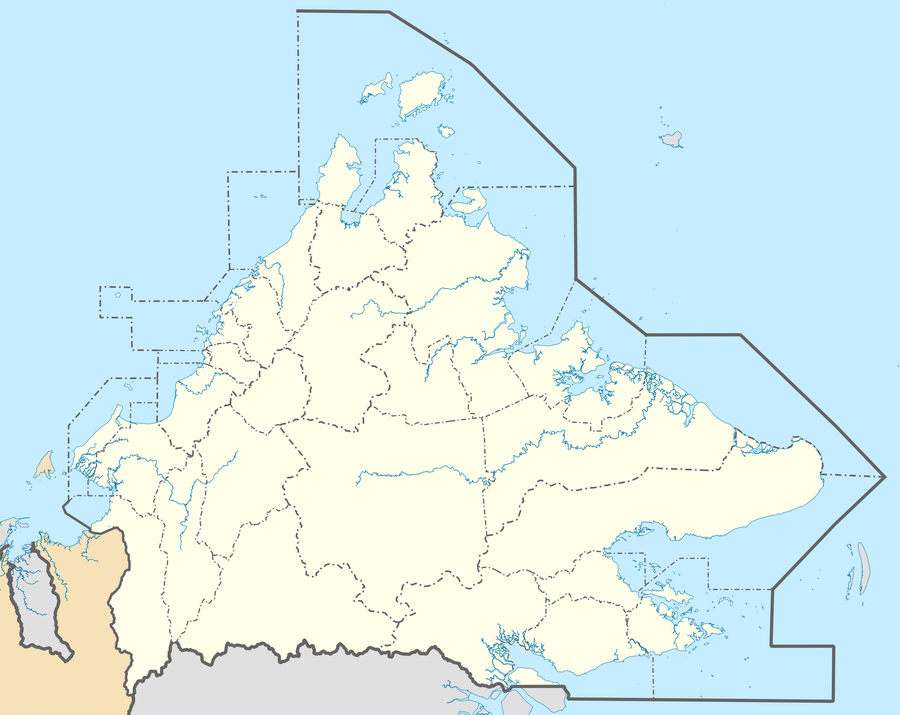
Select a cluster or belt below, or click a pin on the map. The panel shows its scale, access, priority industries and what is already on the ground.
POIC LAHAD DATUPALM DOWNSTREAM CLUSTER · EAST COAST
Lahad Datu Palm Oil Industrial Cluster
GAZETTED AREA
4,727 ac
TO NEAREST PORT
On site
WHAT IS ON THE GROUND
Sabah’s downstream palm cluster with its own deep-water port
Sits inside the state’s highest-yielding plantation districts
What the National Investment Incentive Framework awards a project here.
The National Investment Incentive Framework grades projects on quality, then reads the award off the enhanced tier, the row that applies to most agribusiness projects here. The state can add to the federal award on land premium and infrastructure.
FEDERAL NIF · ENHANCED TIER
Special Tax Rate, High quality
Frontier or advanced activity, high-skilled roles, strong export orientation.
0% FOR 15 YEARS
Special Tax Rate, Medium quality
A commercially sound operation that does not clear the High bar.
5% FOR 15 YEARS
Investment Tax Allowance
Against qualifying capital expenditure, offset up to 100% of statutory income.
100% QCE FOR 10 YEARS
Baseline quality
Earns nothing under the General category. On the enhanced tier it still qualifies.
10% FOR 5 YEARS
State-level support
Land premium treatment and infrastructure support, on top of the federal award.
CASE BY CASE
Eligibility is assessed case by case against the quality bands. Confirm your project’s band with an Invest Sabah officer before committing capital.
PROMOTED AGRIBUSINESS ACTIVITIES
The NIF sector list that covers most Sabah agribusiness projects.
Food production & processingOleochemical & derivative productsChemicals & chemical productsWood, paper & furnitureRubber productsMachinery & equipment